Not much left in the attic
If you can see the tops of the ceiling joists, there usually isn't much insulation up there, and the upstairs tends to run hot in summer and cold in winter.
Cold floors, drafty rooms and a high power bill usually mean the walls and attic are thin. We add insulation in the right order.
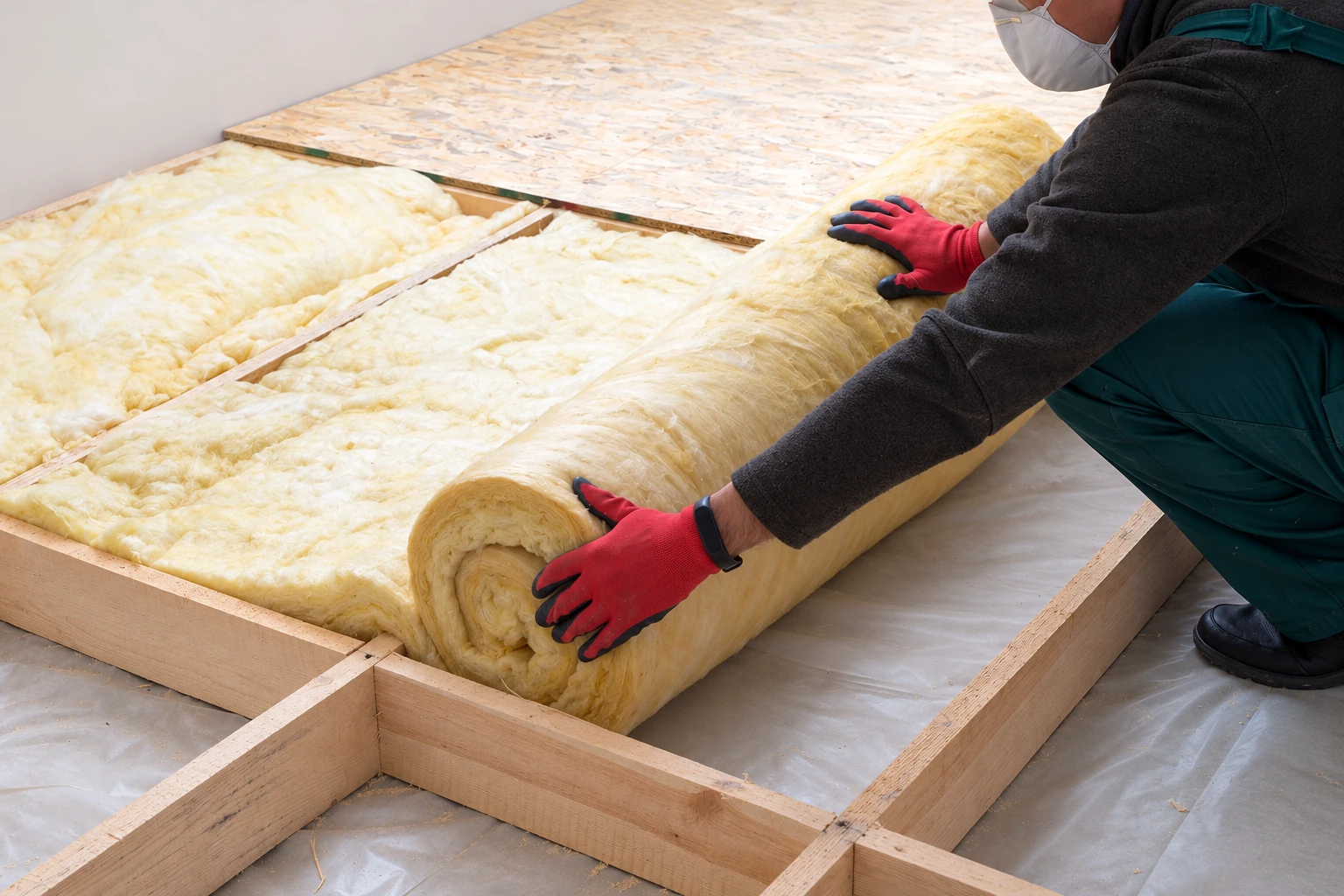
Retrofit insulation in Altoona means adding insulation to the walls and attic of a house that's already standing, so the rooms hold heat instead of losing it through drafts all winter. Blair County sits in a cool, humid climate zone, and a lot of the older houses we see here have little in the walls.
Most of our calls come from older homes with cold floors, drafty rooms, a hot upstairs or a power bill that keeps climbing. The price moves with how many inches are already up there, whether old material has to come out, whether the walls get filled too, and how easy the attic is to move around in. The schedule turns on what turns up once I look, like old wiring, vermiculite or a finished attic room, and on any permit the local code office says your job needs, so I'll give you your own figure after I've been up there.
I climb into the attic and look at your walls before I put a number on anything, because what's already up there decides what's worth doing.
We seal the gaps and deal with wet or dirty old material before new insulation goes in, because insulation over open leaks doesn't do what you paid for.
If a wall or attic isn't worth insulating, or the job isn't ours to do, I'll tell you that rather than sell you work you don't need.
I start by going up into the attic to see how many inches are there, what shape it's in and where air is getting through. Some attics only need the gaps sealed and more added on the floor, but a finished room like a Cape Cod's upstairs, a sloped ceiling, or an attic full of equipment and storage needs a different plan, and I'll tell you that up front. Older homes can hide old wiring and lead paint, so we check for both before any wall gets opened. Then our crew does the air sealing, closing the gaps around can lights, pipes and the hatch, sets baffles so the eave vents keep breathing, and blows in loose fill through a hose evenly out to the edges instead of piling it in the middle. When they're done, I walk through the finished work with you.
Most retrofit jobs start with attic insulation, because the attic is the easiest place to add a lot and its gaps let a lot of heat out. Foam costs more and seals air while it insulates, so spray foam insulation earns its price when your ductwork lives up there. Otherwise, sealing the gaps and topping up loose fill usually wins.
If you can see the tops of the ceiling joists, there usually isn't much insulation up there, and the upstairs tends to run hot in summer and cold in winter.
Insulation soaked by an old roof leak or full of droppings has to come out first, because laying fresh material over it just keeps the problem up there.
Walls in older houses are often empty or close to it, which is why a room can feel cold even with the heat turned up. Filling them is where you notice it.
A room over the garage usually runs cold in winter and hot in summer because its floor faces open air, so we look at the floor and walls, not just the attic.
Send the form and we'll get back to you within one business day to set a time. I come out, look at the attic and walls, and give you a free estimate with no obligation.
Knowing roughly when the house was built tells me what to look for before I come out, like older wiring, lead paint or insulation that's been up there for decades.
Let us know if it's a plain attic floor, a finished room or a sloped ceiling, and whether anything's stored up there, so I can plan the visit.
If you've seen pebbly gray-brown insulation or old knob and tube wiring, or new siding is already planned, say so, because each one changes how we'd go about the job.
These photos show blown-in attic floors, filled walls and foam at the roofline, as examples of layouts and finishes we can go over together.
These are the questions we hear most from Altoona homeowners thinking about insulating the walls and attic of an older house.
Adding blown cellulose to a typical 1,500 square foot attic in Pennsylvania usually costs about $1,800 to $6,800 for the job. That's the going range for the attic alone, not our price, and wall work gets priced at your estimate. Our work is backed by our satisfaction guarantee.
Yes. A common, low-impact way is to drill small holes near the top of each wall cavity and fill it with blown-in insulation. Going in from outside cuts into the drainage plane, the water-shedding layer behind the siding, if your wall has one, and that needs patching or replacing. Going in from inside leaves it alone, so access and its condition decide which side.
Leave it undisturbed. The EPA says to assume vermiculite may contain asbestos and recommends leaving it alone. If you decide to remove it, the EPA says a trained and accredited asbestos abatement contractor should do it, separate from whoever assessed it. We won't stir it up, and I'll point it out if I see it on the visit.
Not where there's knob and tube wiring, the old kind run on porcelain knobs, because the electrical code allows no insulation on or around it, so those cavities stay empty. In homes built before 1980, wall work that disturbs painted surfaces also brings lead safety rules into play. Tell me what you know about the wiring when you call.
In Pennsylvania, anyone offering or doing home improvements must register with the state Attorney General's office unless specifically exempt. Some municipalities add their own contractor licensing rules that the state doesn't track, so ask the one where the work happens. We're licensed and fully insured, and we check with the local code office before starting so any permit your job needs is in place first.
Call (814) 369-6056 or send the form, and I'll come climb into your attic in Altoona, Hollidaysburg, Tyrone, Park Forest Village or a city nearby.