Spray foam insulation
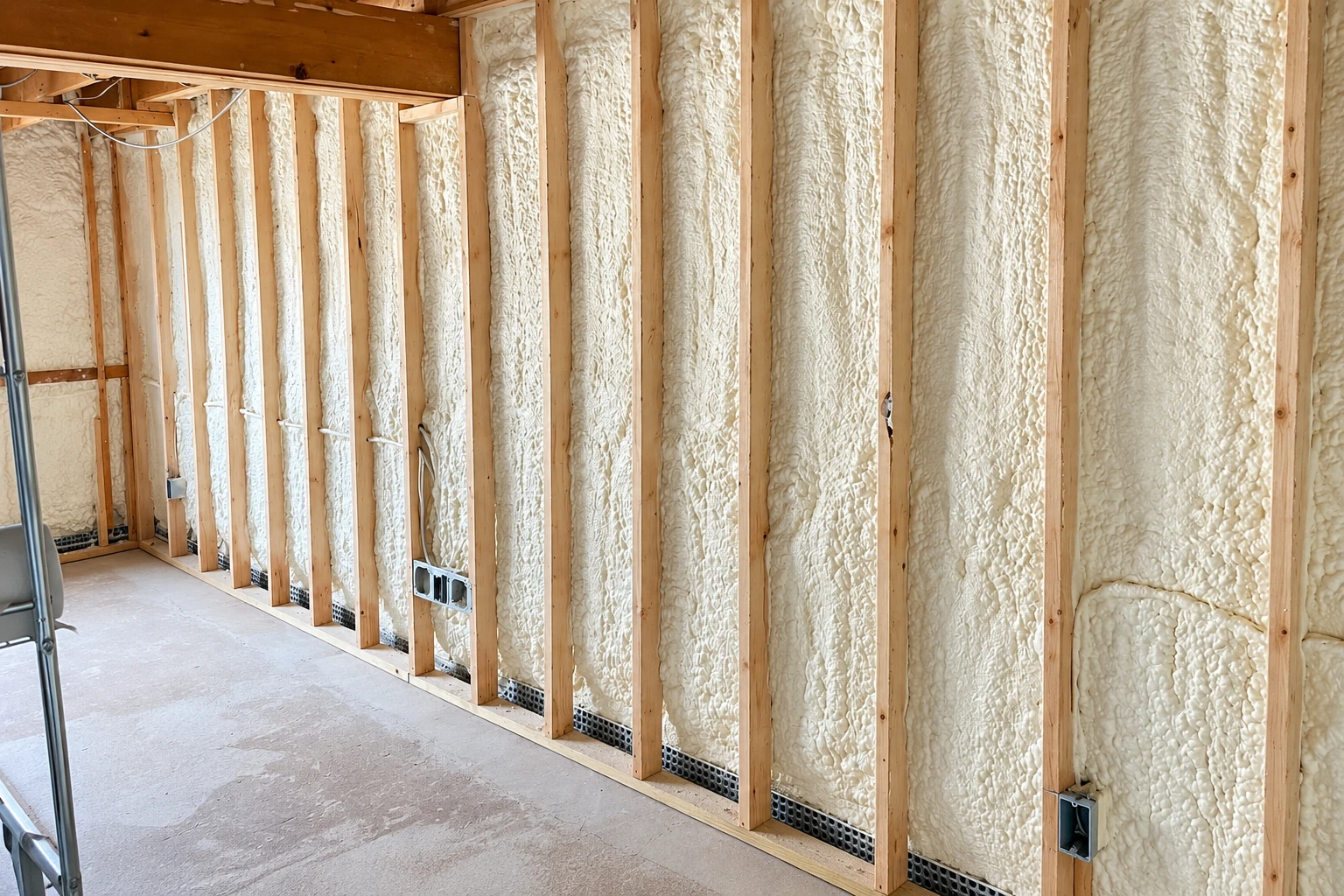
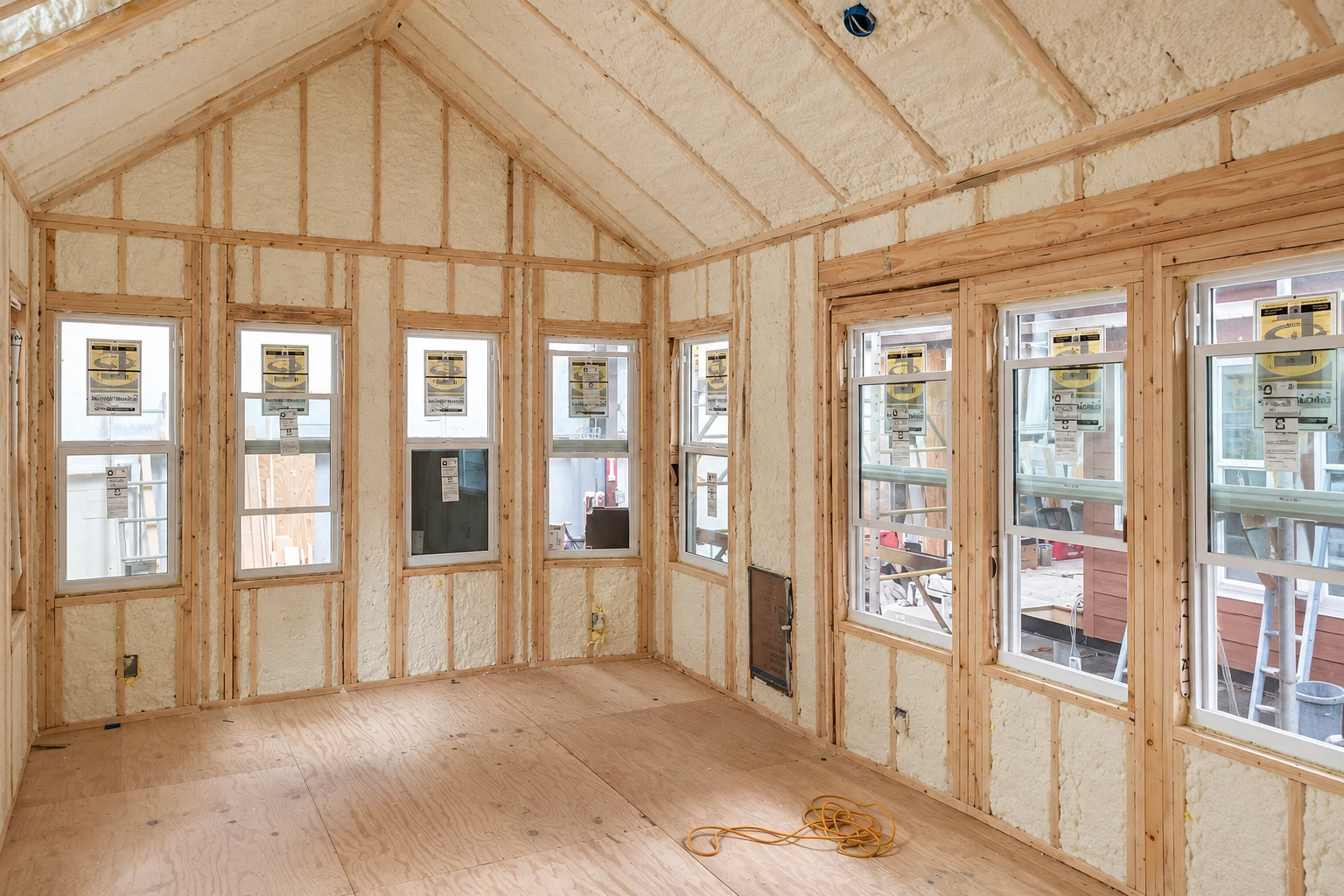
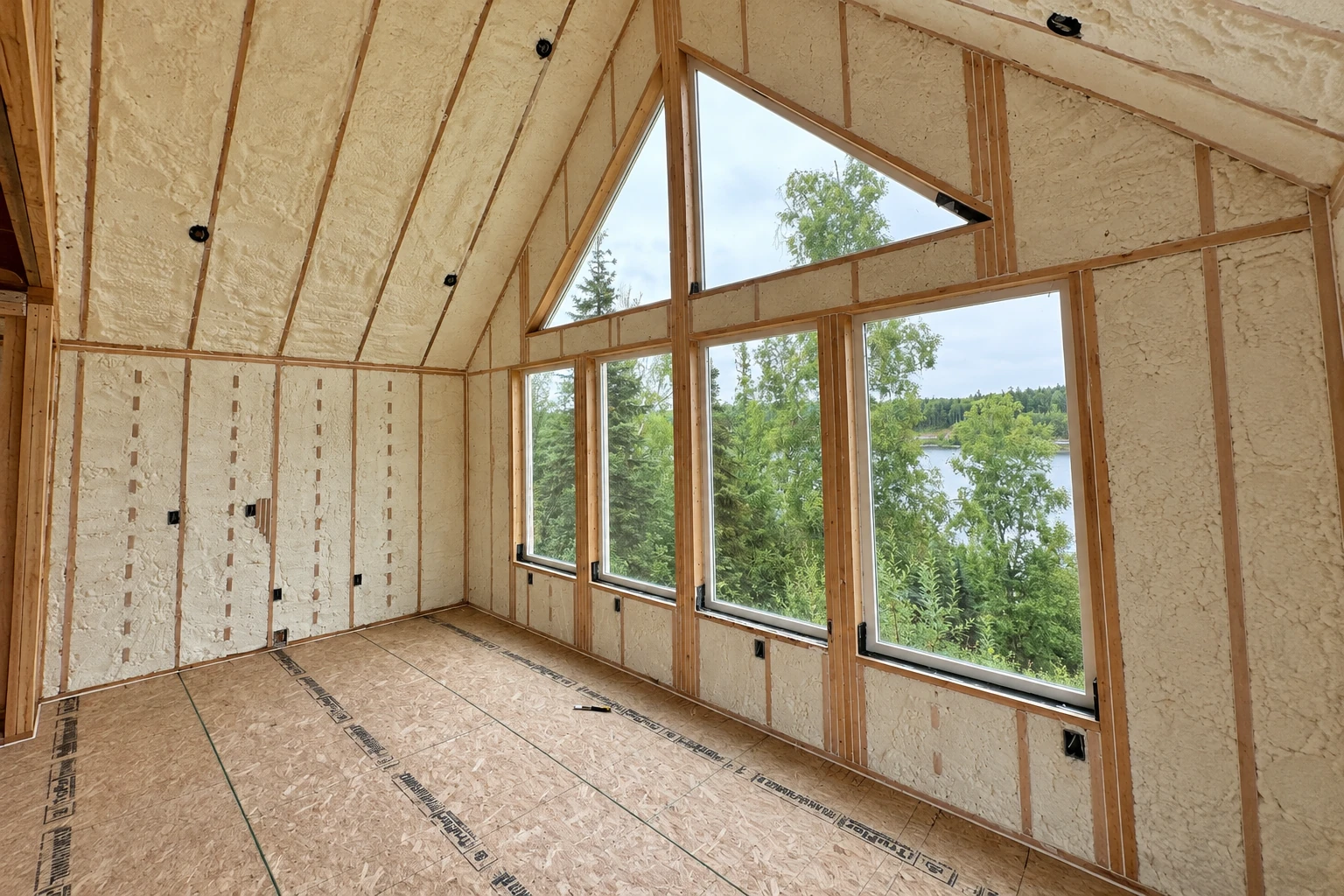
Foam sprayed onto rooflines, walls or the top of the foundation that seals air gaps while it insulates. It costs more than loose fill, so we'll tell you where it's worth it.
Heritage Altoona Spray Foam Insulation seals drafty rooms and tops up attic insulation in Altoona and nearby cities like Hollidaysburg and Tyrone. In older houses with cold floors, we also insulate crawl spaces and basements and fill hollow walls.
Heritage Altoona Spray Foam Insulation is an insulation contractor in Altoona, PA, and we handle 16 kinds of insulation work, from the attic down to the crawl space and the shop out back. Most calls are about cold floors, a hot upstairs or a power bill that keeps climbing. The price turns mostly on what's already up there, whether old or soiled material has to come out, how many gaps need sealing and whether foam or loose fill suits the space. The schedule turns on the same things, plus any repair that has to come first. I look in person and leave you a free estimate for your house.
Foam sprayed onto rooflines, walls or the top of the foundation that seals air gaps while it insulates. It costs more than loose fill, so we'll tell you where it's worth it.
For a hot upstairs or a high power bill, we check how many inches are up there, seal the gaps and bring the whole attic to an even depth.
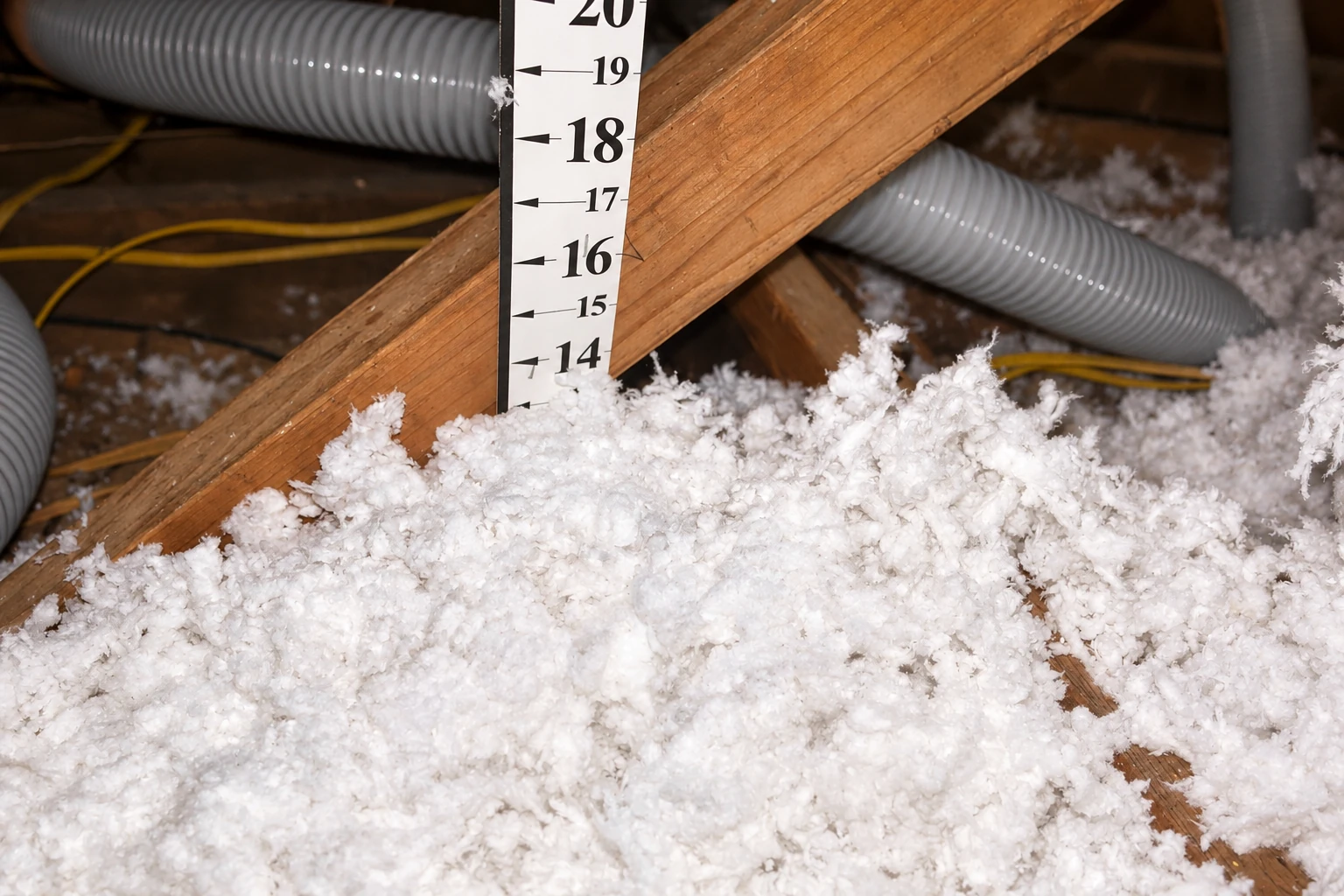
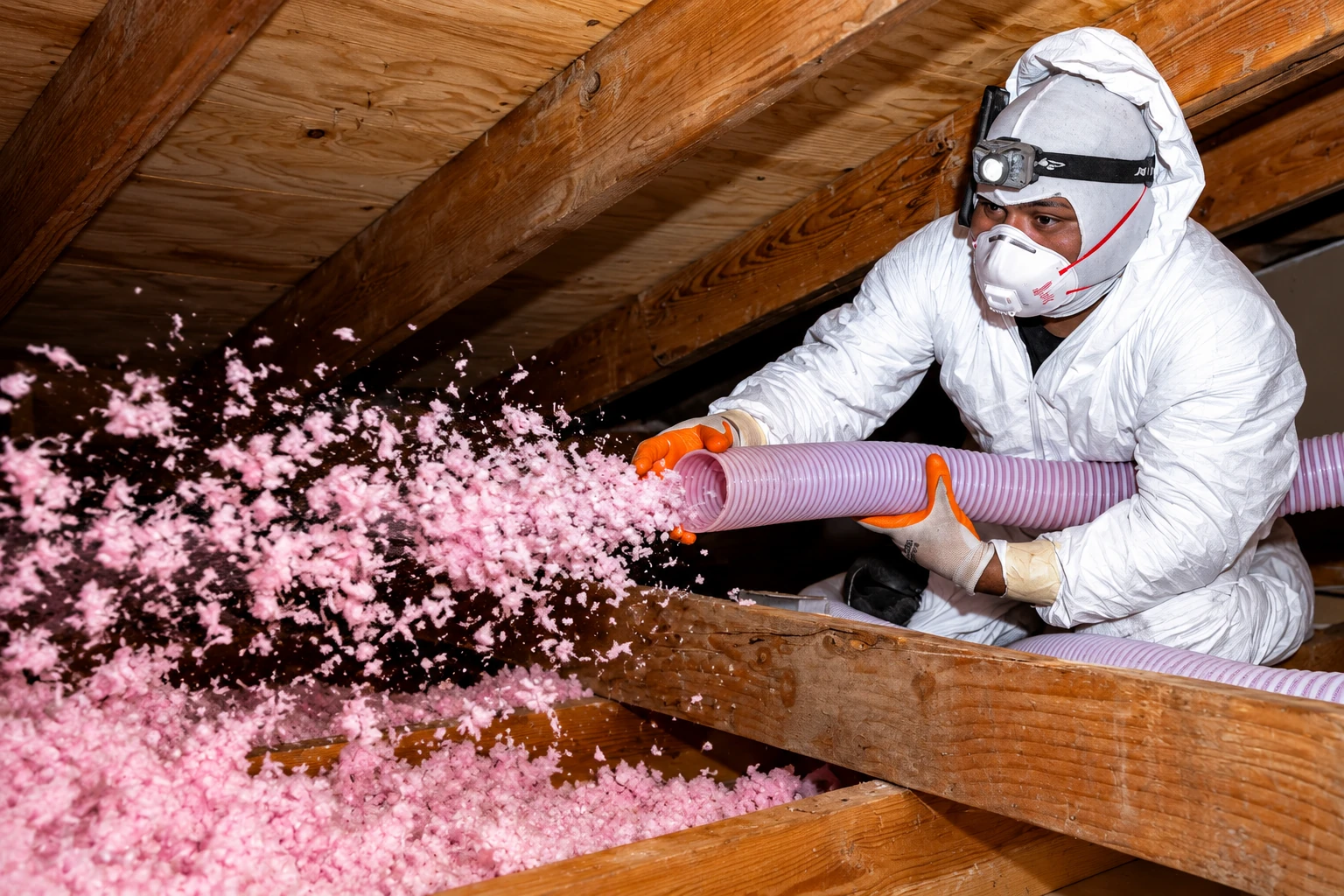
Loose fill blown through a hose into attics and closed walls, which settles around wires and framing better than rolls do. It's usually the best value for topping up.
A look at the whole house, attic to basement, so your money goes first to the spots losing the most heat instead of wherever is easiest to reach.
We vacuum out old insulation that got soaked, packed down or full of droppings, because new material laid over it just keeps the problem in your attic.
Cold floors over a crawl space usually trace back to gaps at the top of the foundation. We seal those first, then insulate so the rooms above stay warmer.
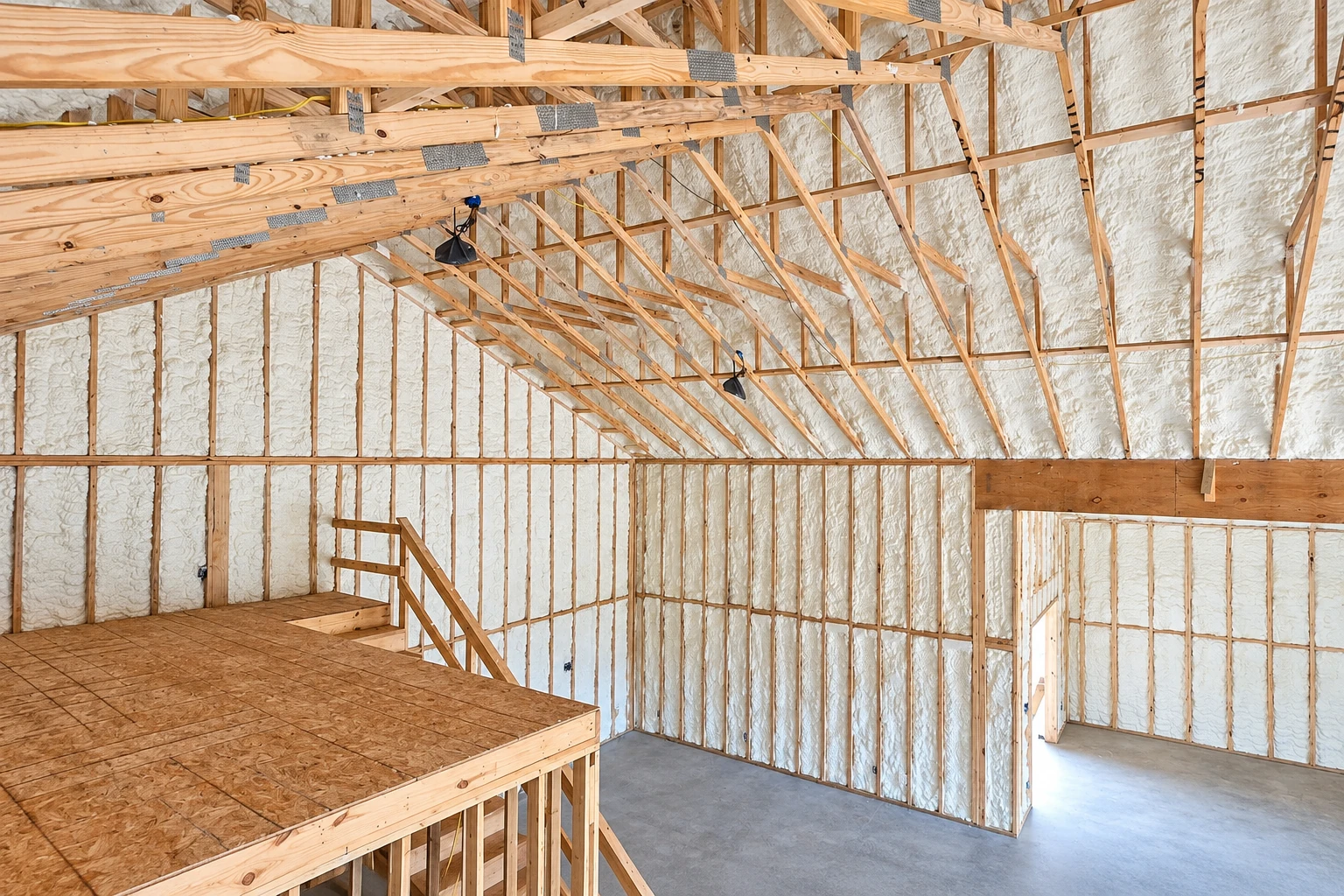
Plenty of older homes around here have hollow outside walls. We fill them through small holes and close them back up, so you get warmer rooms without tearing out plaster.
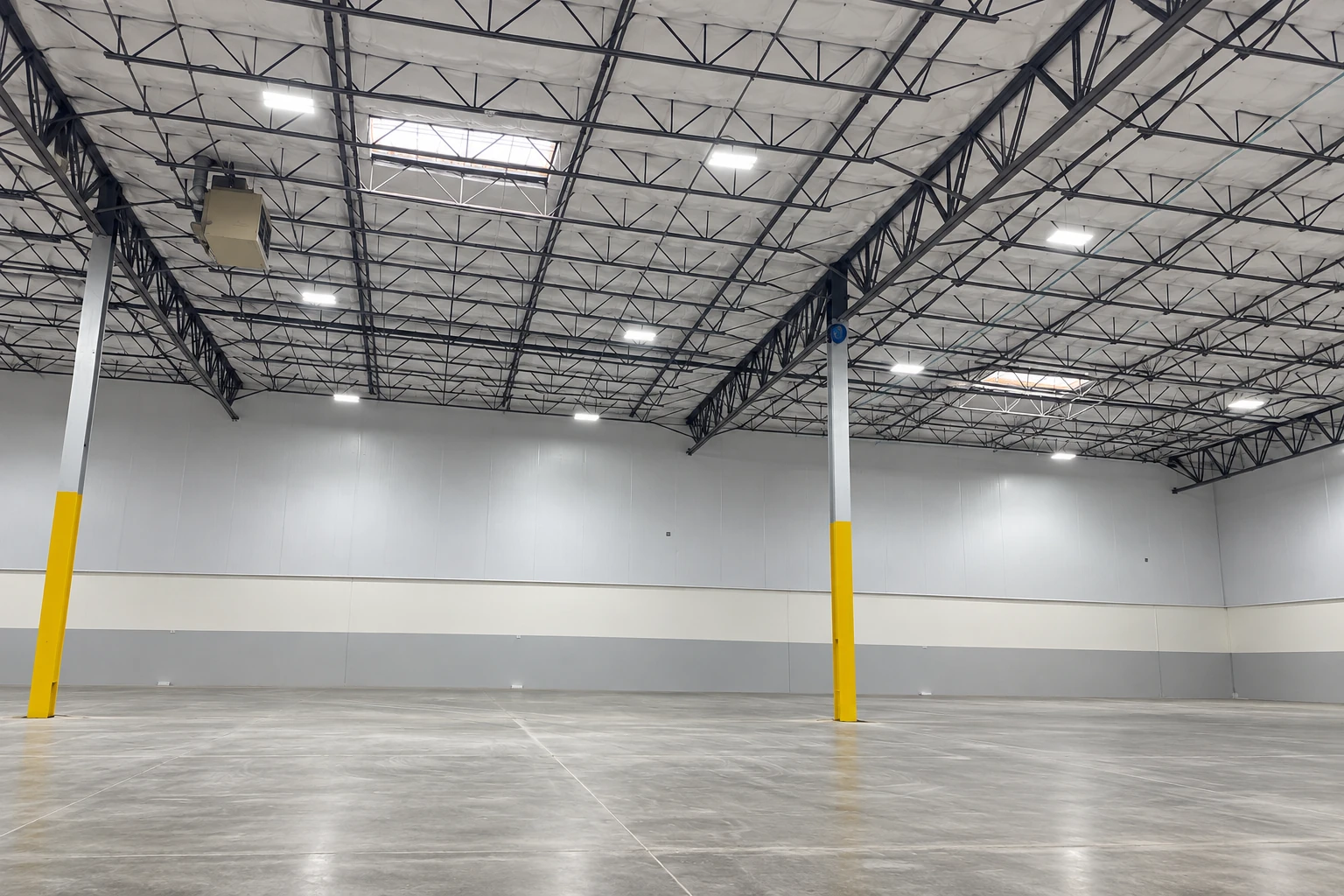
Closing the gaps where heat slips out, around pipes, wires, can lights and the attic hatch, so the insulation you add isn't fighting a draft all winter.
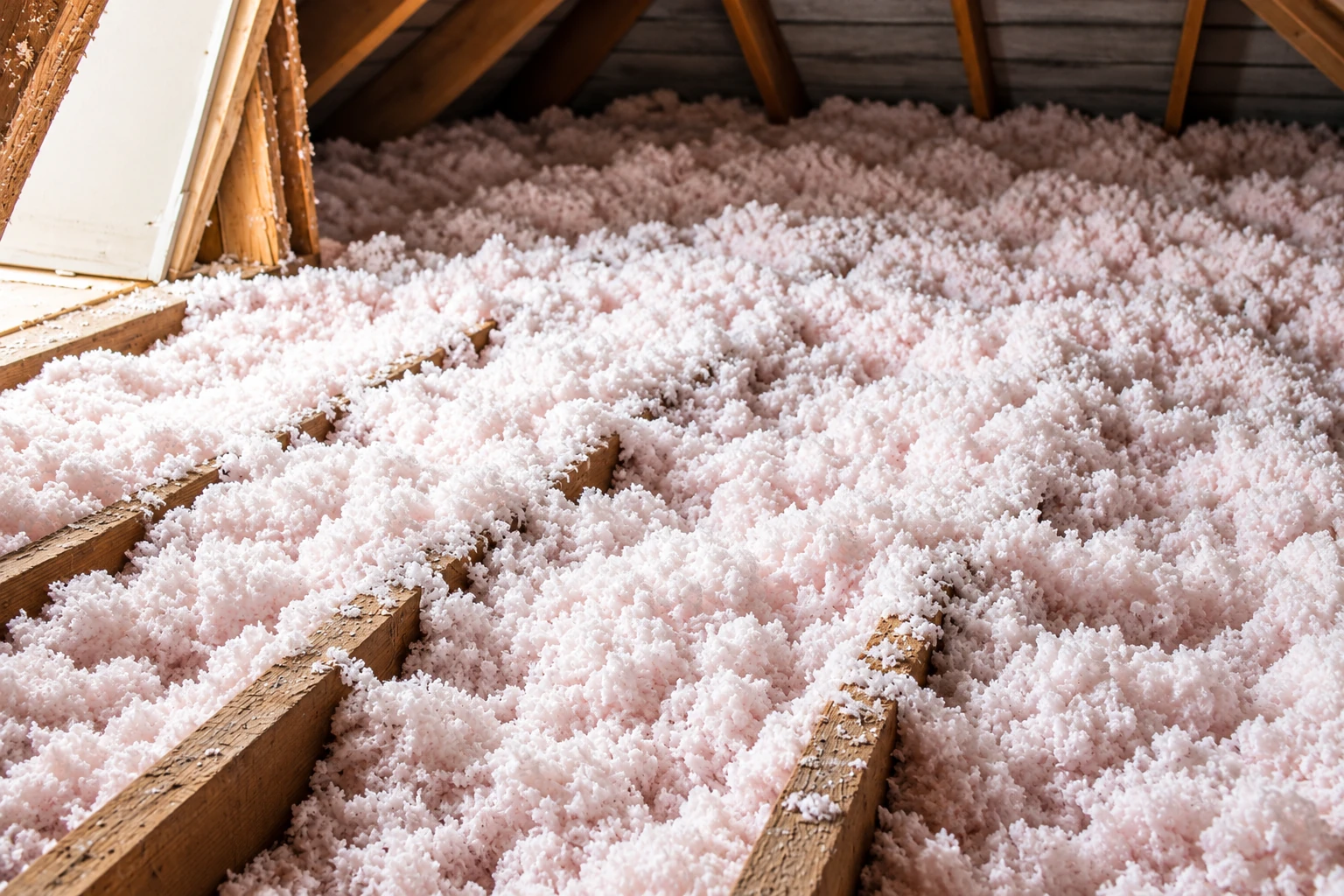
Basement walls and the band of framing on top of them leak more heat than most people expect. We insulate them so the floors above warm up.
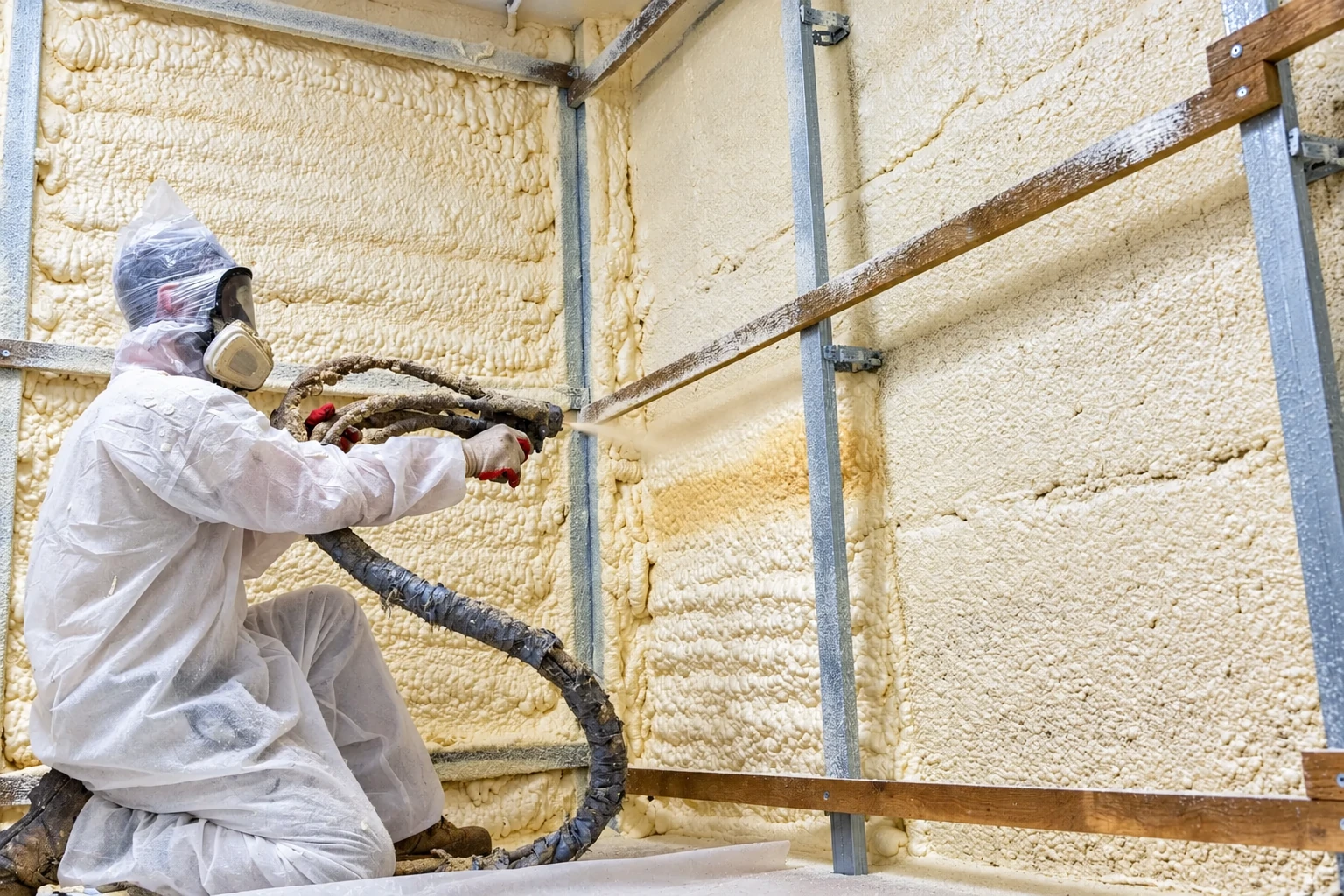
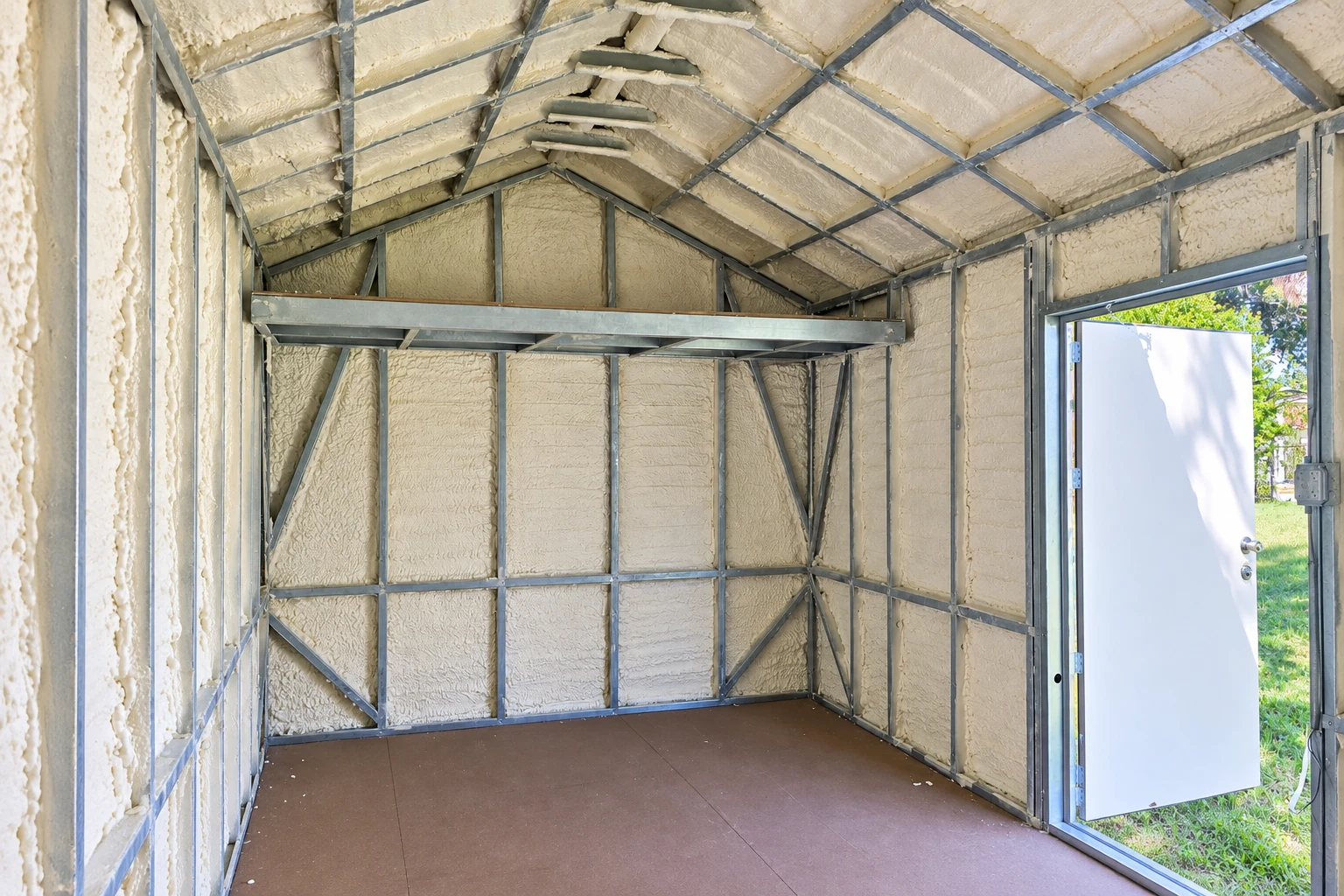
Dense foam that also blocks moisture, a good fit for basement walls, crawl spaces and metal buildings where damp is part of the problem. It costs more than open-cell foam.
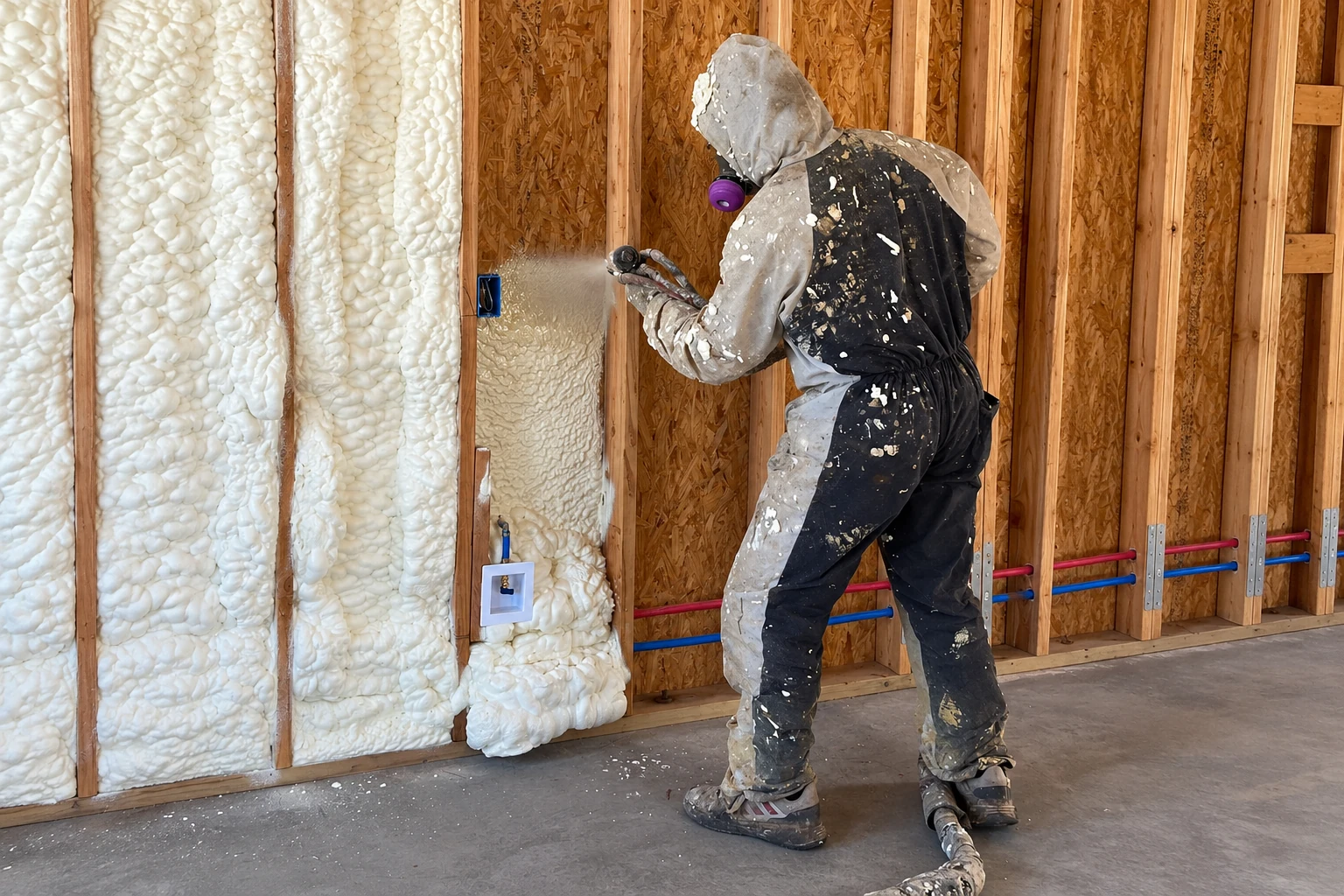
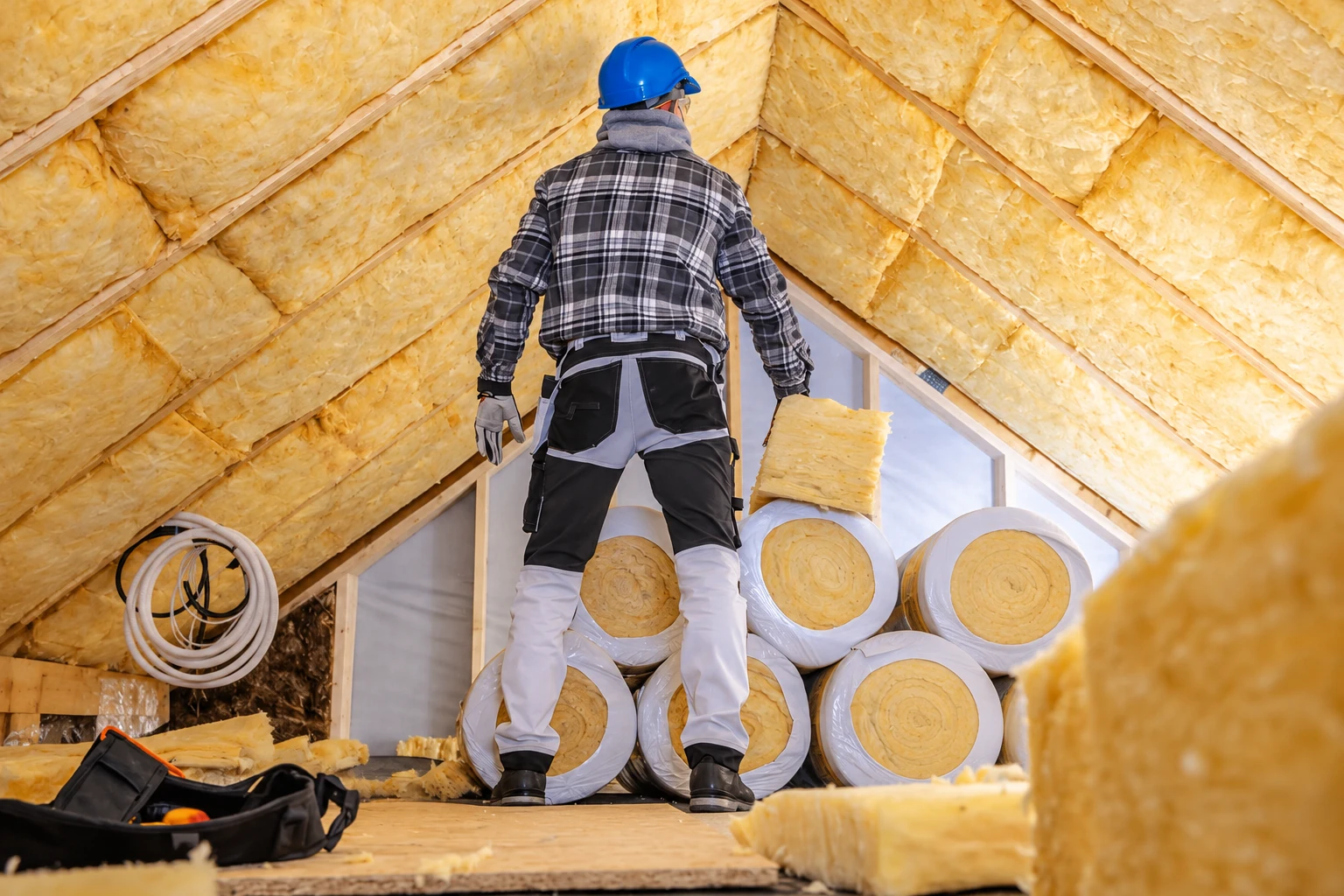
A softer, lighter foam that seals air and quiets noise, often used on attic rooflines and inside walls. It costs less than closed-cell but doesn't block moisture.
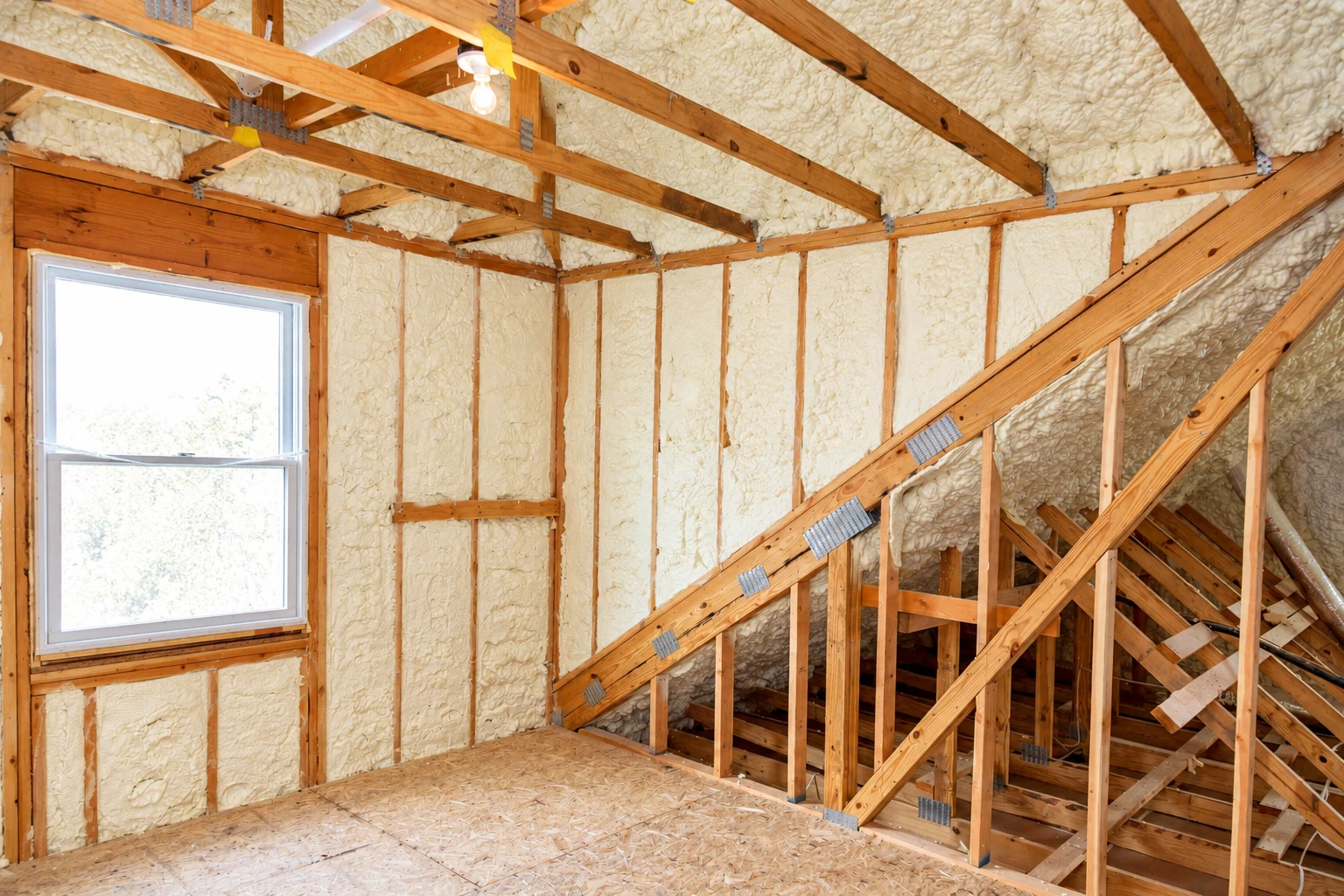
For shops, garages and metal buildings where the roof drips condensation or the heater runs all day, we insulate walls and roofs so the space holds its heat.
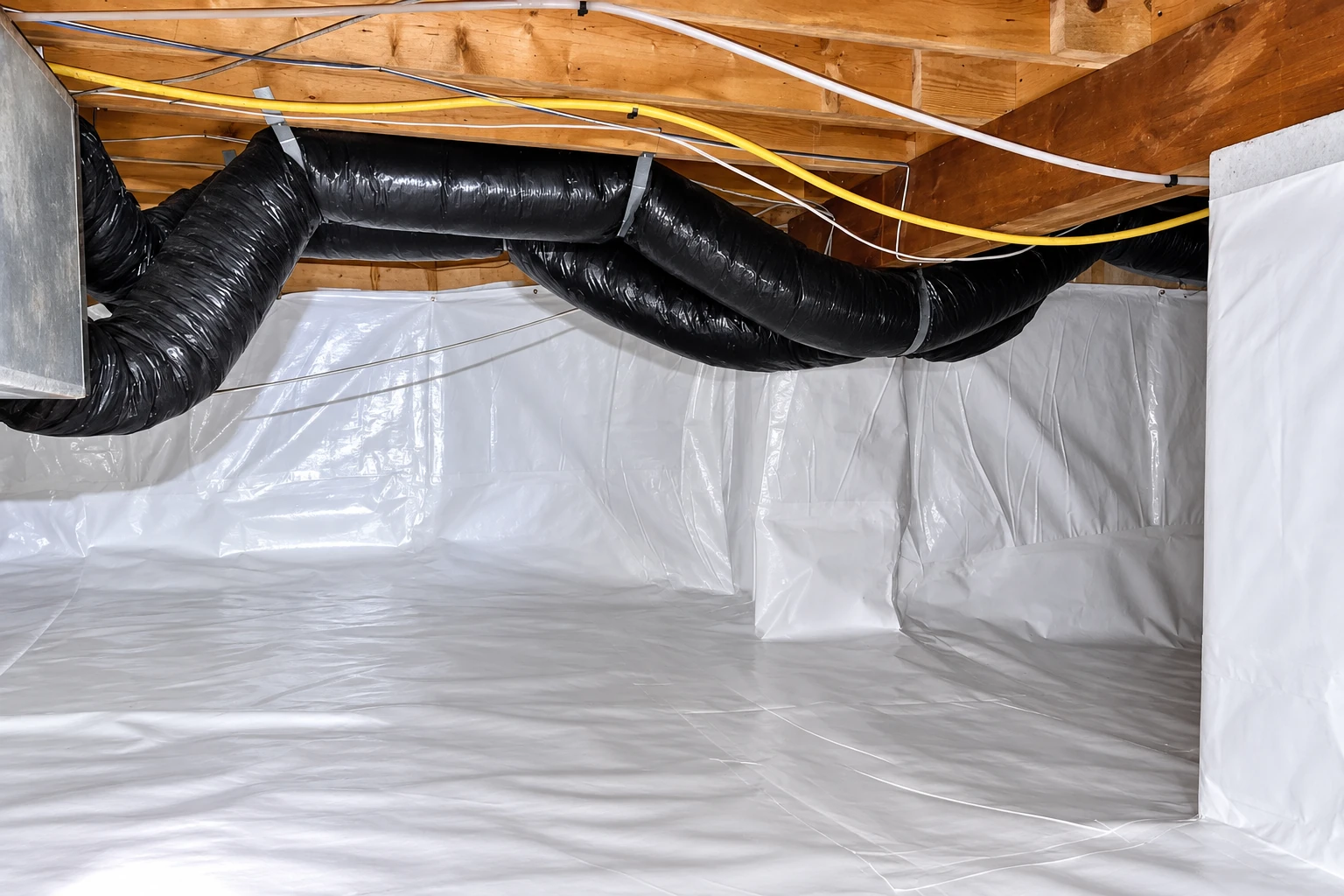
A heavy plastic sheet laid over the dirt floor and up the walls of a crawl space, so ground moisture stays down there instead of soaking the framing.
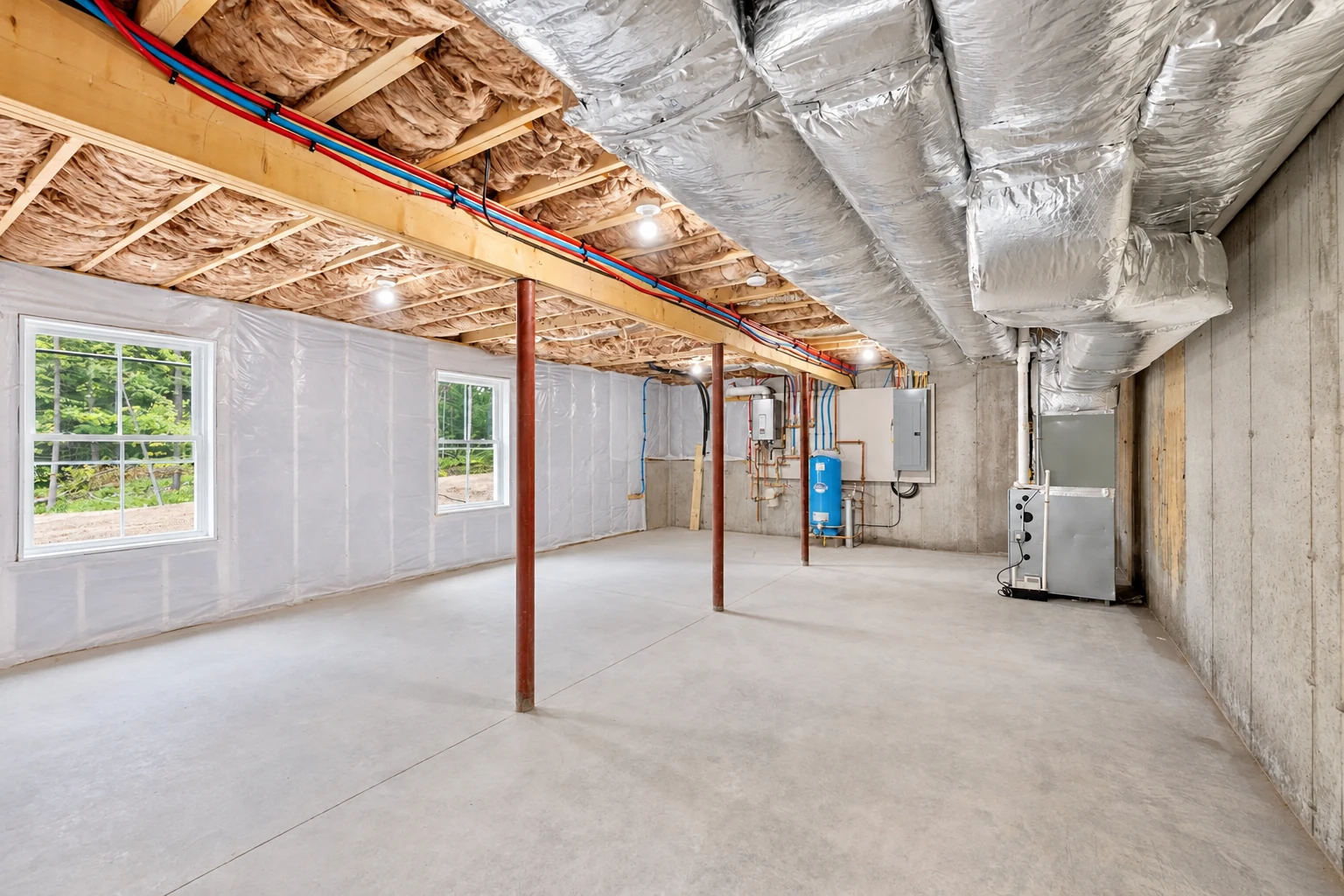
We put a moisture barrier where the house needs one, in basements, walls or under floors, and leave it out where it would trap damp instead of stopping it.
We seal the attic floor around can lights, pipes, wires and the hatch, and keep the eave vents clear so the attic can still breathe once insulation goes in.
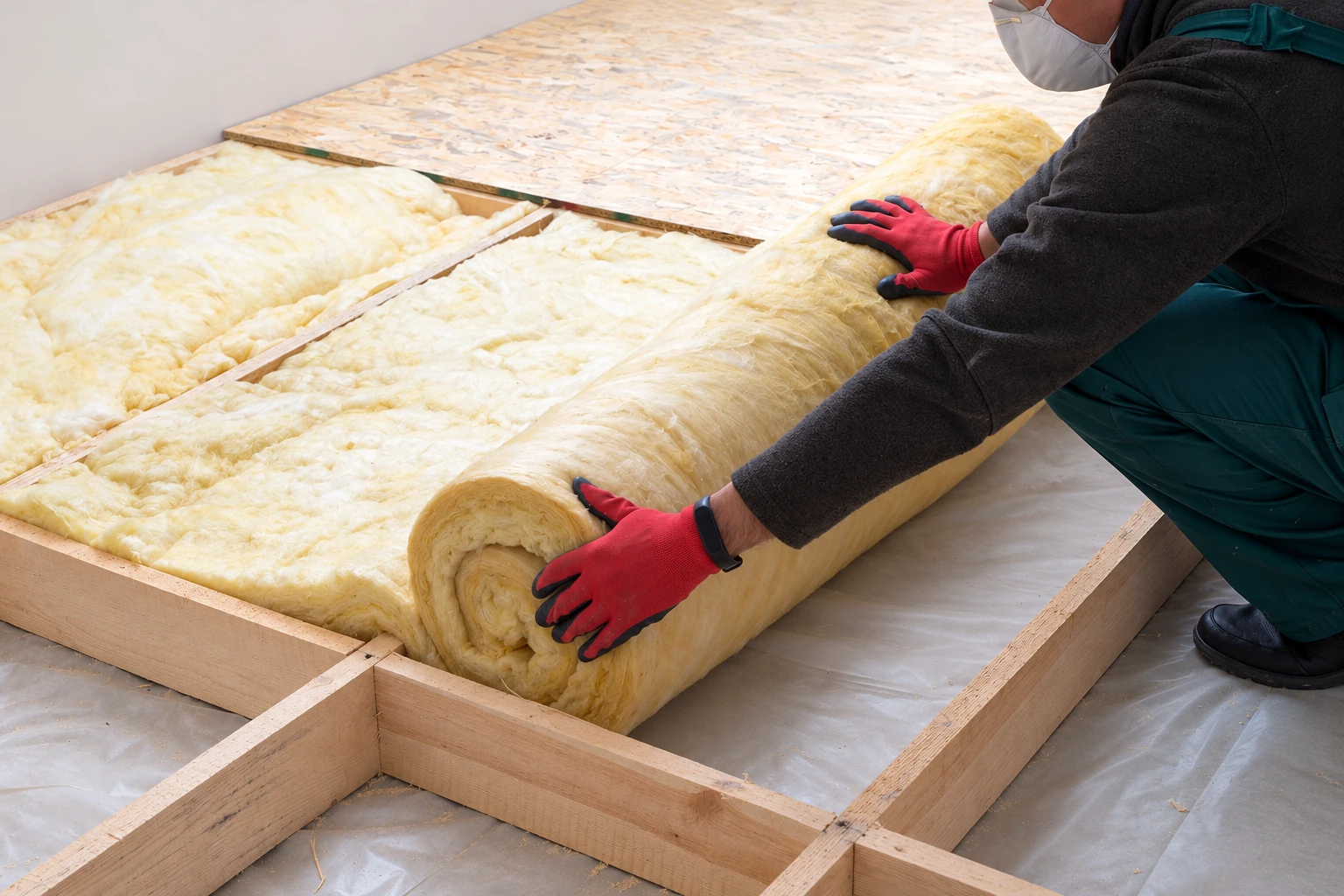
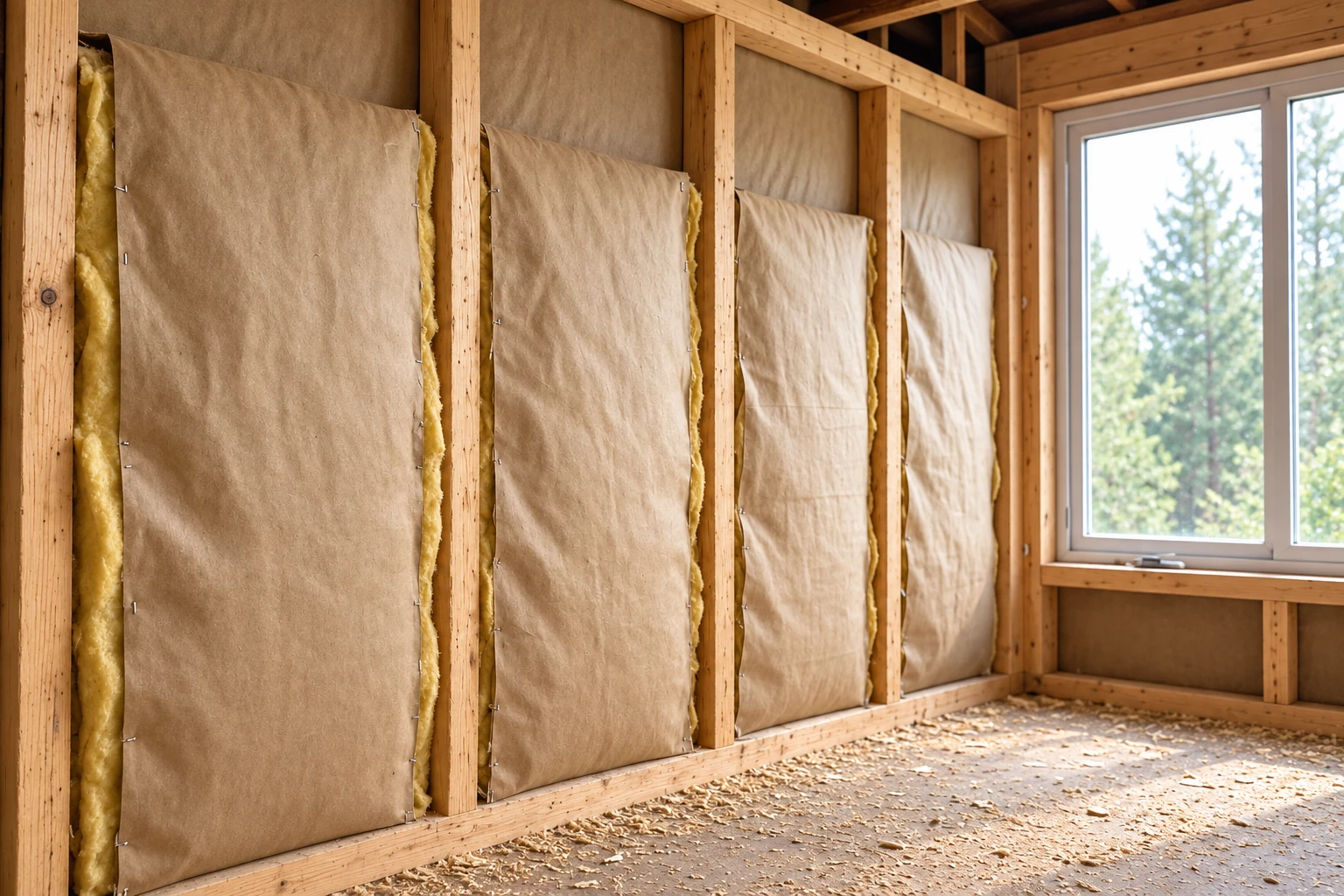
Adding insulation to a house that's already finished, through attic floors, hollow walls and crawl spaces, without tearing into the rooms you live in.
I started out doing insulation for neighbors on weekends, sealing drafty rooms and topping up attics, and went full time in 2020. I still climb into the attic, crawl space or basement myself before I quote, because what's up there decides what the job should be.
Insulation laid over open leaks or a damp wall doesn't do what you paid for, so we work in order. I'd rather tell you a job isn't worth doing, or isn't ours to do, than sell it to you. There's more about us, or call (814) 369-6056 and I'll come look.
We close the hidden gaps around lights, pipes and the attic hatch first, so your heat stays in the house instead of slipping out past the new insulation.
A tighter house changes how gas furnaces, water heaters and other fuel-burning equipment get their air, so we look at them as part of the plan to keep the air inside safe.
We're licensed and fully insured, so you're not carrying the risk while our crew works over your ceilings, and the work is backed by our satisfaction guarantee.
Here's how an insulation job goes with us, from your first call to the walk-through at the end.
We get back to you within one business day and set up a time for me to come out and look at your house.
I go into the attic, crawl space or basement, show you what's there and what has to be fixed first, then leave a free estimate with no obligation.
When you're ready, our crew seals, insulates and cleans up in the order the job should go, and then I walk through the finished work with you.
Examples of blown-in attic floors, sprayed foam walls and crawl space barriers, to help you picture which finish might suit your house.
Send the form or use our contact page, and we'll reply within one business day to set a time for me to come out. The estimate is free, done on site, with no obligation.
Cold floors, a hot upstairs or one drafty room tells me where to look first, so mention it in the form and I'll start there when I come out.
Let us know roughly how old the house is and whether it has a crawl space or basement, since that changes what I check when I'm there.
If you can peek through the attic hatch, tell us about how many inches are up there now. If you can't, that's fine, because I'll measure it on my visit.
Straight answers to what people ask before they hire an insulation contractor in Altoona, from cost and timing to permits.
There's no honest number until I've seen your attic, so I quote after I look. Pulling out old, soiled material and choosing foam over loose fill both push the price up, while a top-up over a clean, dry layer keeps it down. The on-site estimate is free and comes with no obligation.
That depends on the attic, and I can only tell you once I've been up there. A top-up over clean, dry insulation goes quicker than a job where old material has to be vacuumed out and the gaps sealed first. We'll talk through the plan for your house when I come out.
For spray foam, usually yes, until the re-entry time passes, which is the wait before people and pets can safely come back inside. The wait depends on the foam we use, and we'll tell you ahead of time so you can plan where the kids and pets go. Blown-in loose fill usually doesn't need anyone to leave.
For most attics, sealing the gaps and topping up with blown-in insulation is the better buy, because it does most of what foam does for less money. Foam costs more but seals air while it insulates, so it earns its price when ductwork runs through the attic or a space needs to keep moisture out.
We check that with the local code office before any job starts, because the rules differ between cities, boroughs and townships. In Altoona, the city issues residential permits, and you can reach its building inspector at 814-949-2406. If your job needs a permit, we work with you to have it in place before work begins.
Yes, anyone who runs a home improvement business in Pennsylvania has to register with the state Attorney General's office, unless they do less than $5,000 of that work in a calendar year. A registered contractor's number starts with PA- and has to appear on their estimates and contracts, and they must carry at least $50,000 each in injury and property damage coverage.
Call (814) 369-6056 or send the form, and I'll come look at your attic and show you what's there before you decide anything.