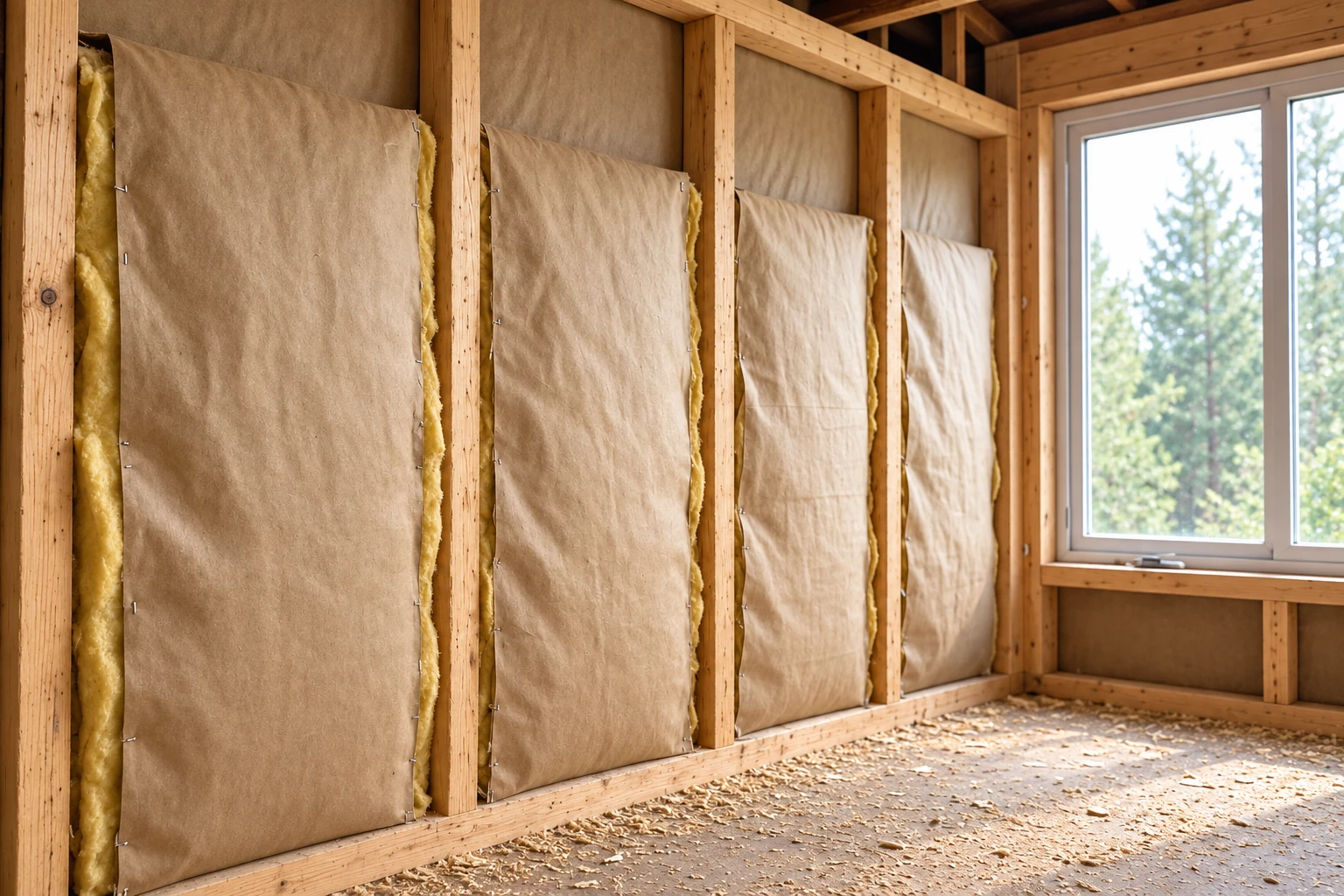
Spray foam insulation
Foam sprayed on attic rooflines, foundation tops and the room over the garage, sealing air while it insulates, which pays off most when ductwork runs through the attic.
Heritage Altoona Spray Foam Insulation is an insulation contractor working in Tyrone, PA. We seal and insulate attics, walls, crawl spaces and basements in Tyrone's older houses, along with shops and metal buildings around the valley.
Tyrone sits down in the valley at the foot of Bald Eagle Mountain, where Bald Eagle Creek meets the Little Juniata, and we drive up from Altoona for jobs here the same way we head out to Hollidaysburg and Park Forest Village. Most calls are about cold floors, drafty rooms and a power bill that climbs every winter.
The downtown and the older neighborhoods around it are full of houses built long before anyone thought much about insulation, so I usually find a few inches of old material in the attic, gaps around pipes and the hatch, and walls with little inside them. What moves your price is how much is already up there, whether it's wet or dirty and has to come out, how much sealing the house needs, and whether foam or blown-in suits it, while the schedule turns mostly on removal and how easy the attic or crawl space is to reach. The free estimate at your house is where you get your own figure. Down low near the creek and river, where the 1936 flood ran through most of downtown and over half the residential district, I also look for old water marks and damp in basements, because the channeling since has done a lot to stop flooding but an old wall can still hold moisture.
We close the gaps around pipes, lights and the attic hatch before anything new goes down, because insulation laid over an open leak still has the draft moving right through it.
If a basement or crawl space is wet, that gets fixed before insulation goes near it, and if the fix isn't ours to do, I'll tell you so and who to call.
Some houses need only a top-up in the attic, and some spots aren't worth touching yet. I'd rather tell you that than sell you work you don't need.
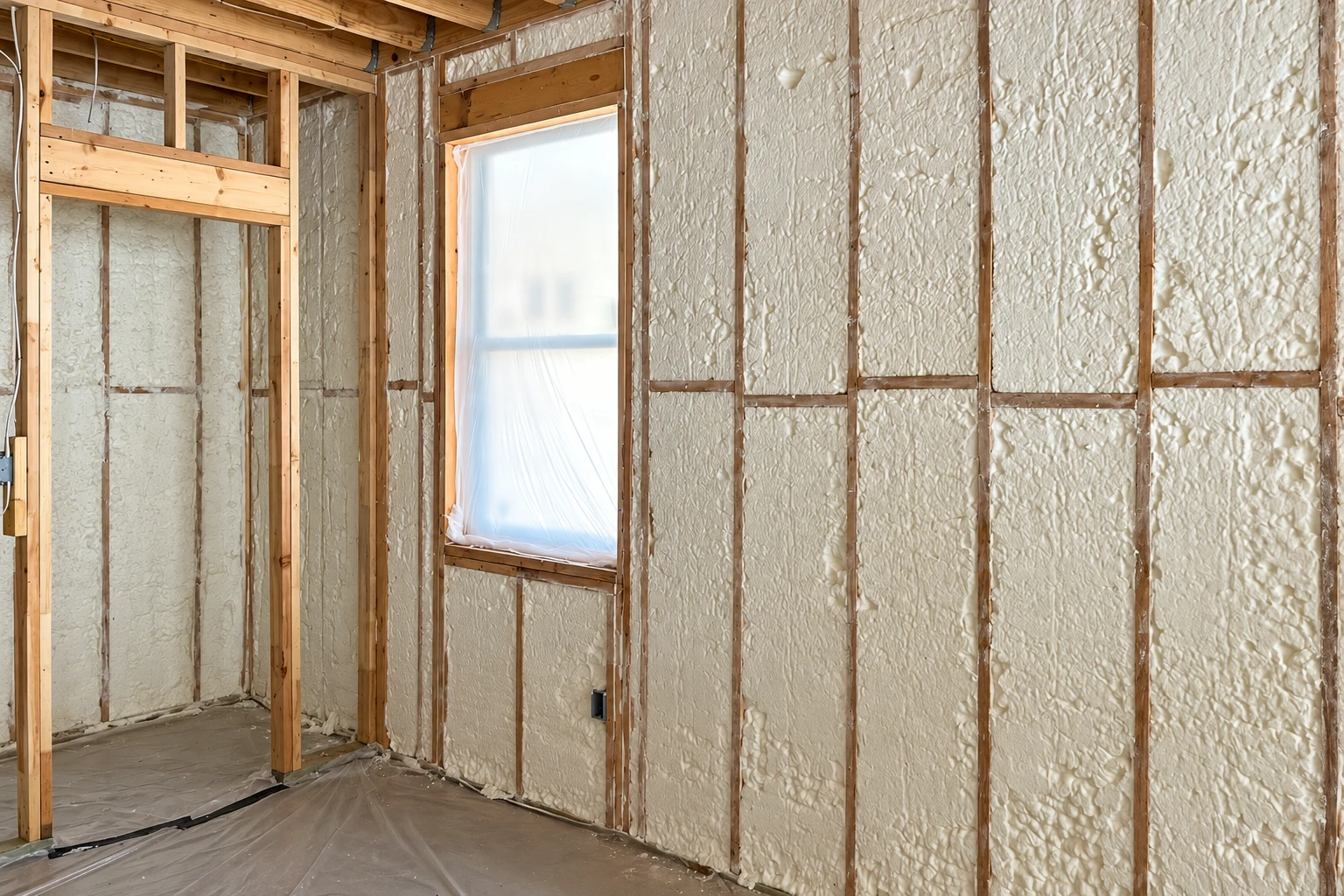
Foam sprayed on attic rooflines, foundation tops and the room over the garage, sealing air while it insulates, which pays off most when ductwork runs through the attic.
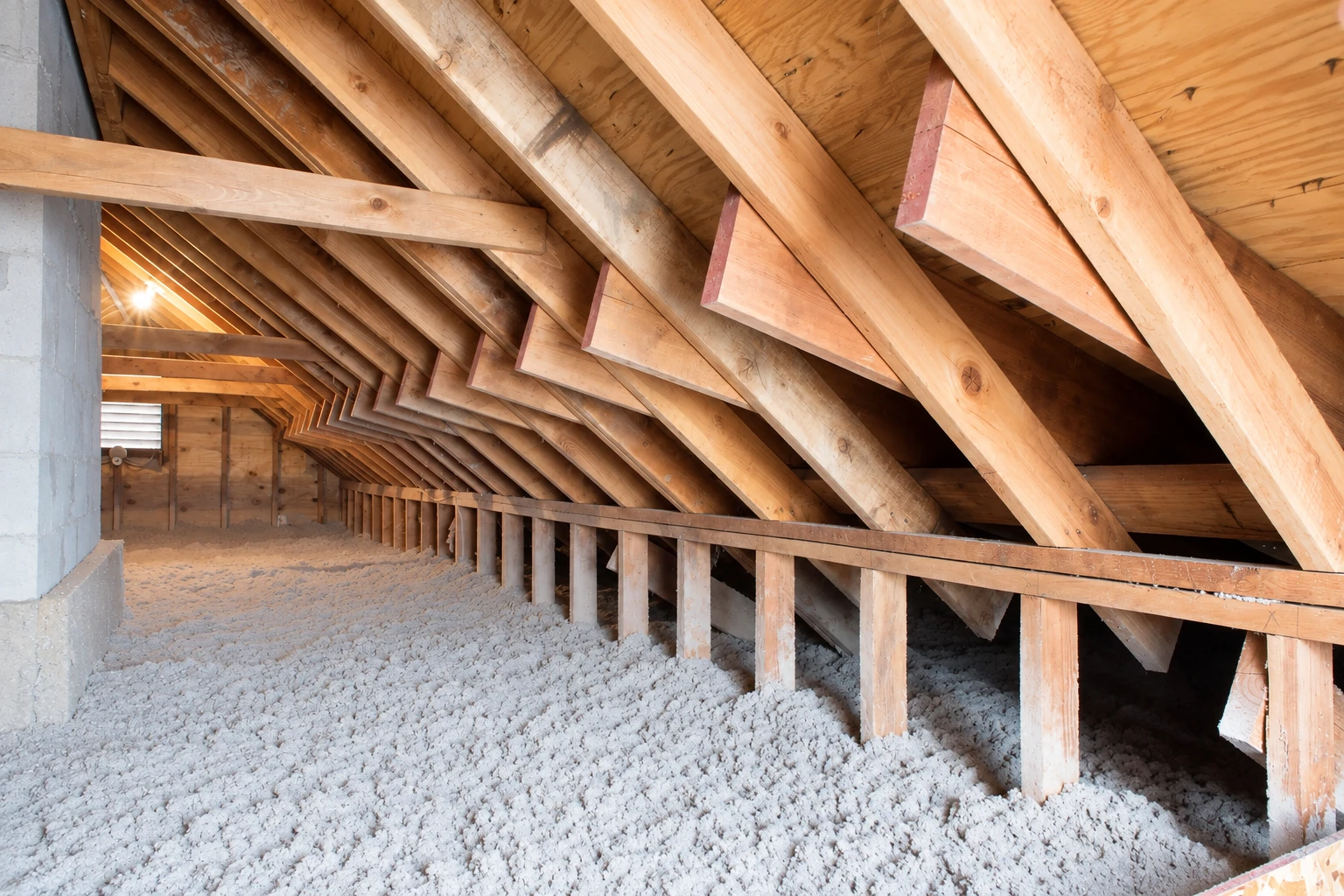
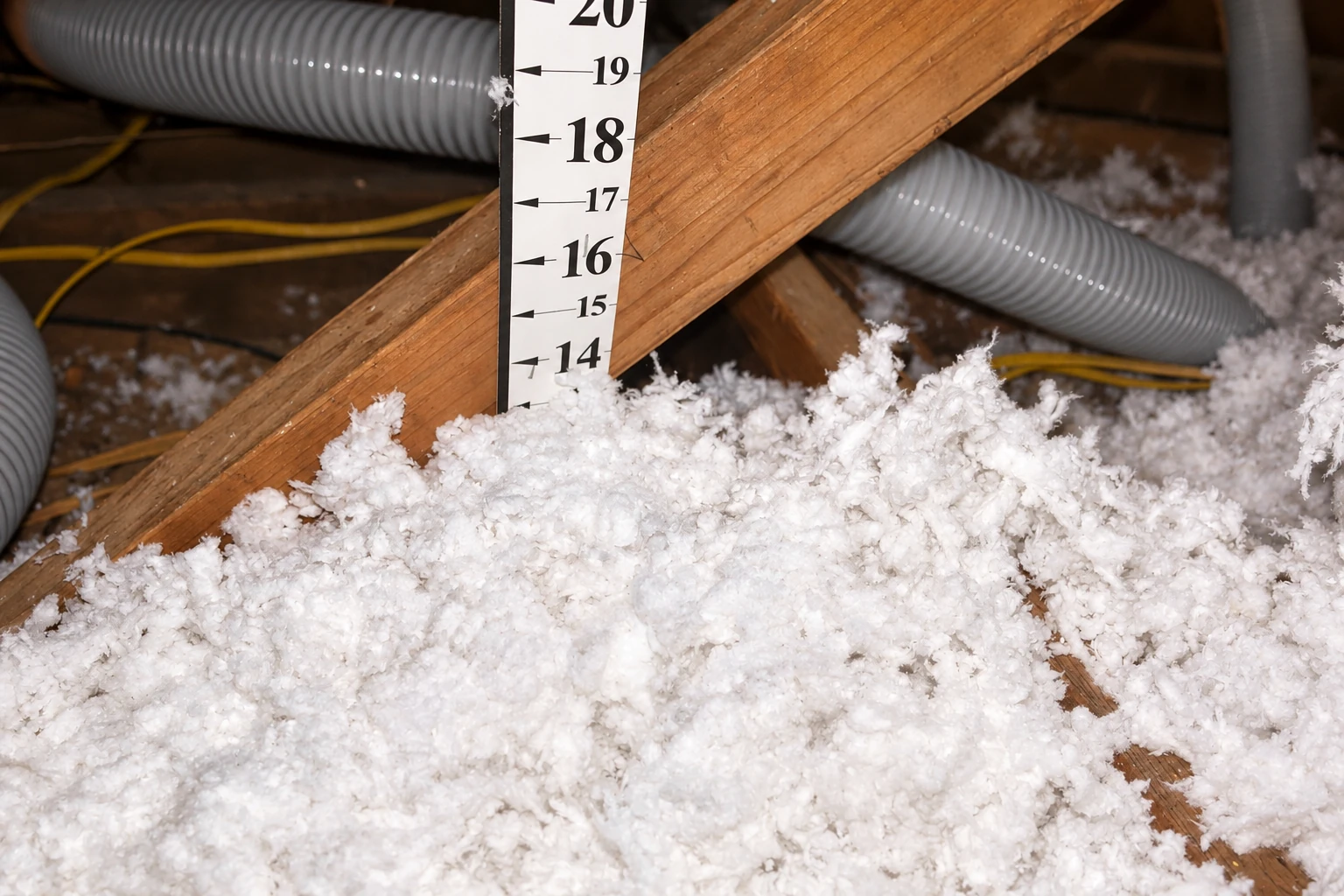
We measure what's already up there, keep the eave vents clear so the attic can breathe, and bring the depth up evenly, edges included, not just in the middle.
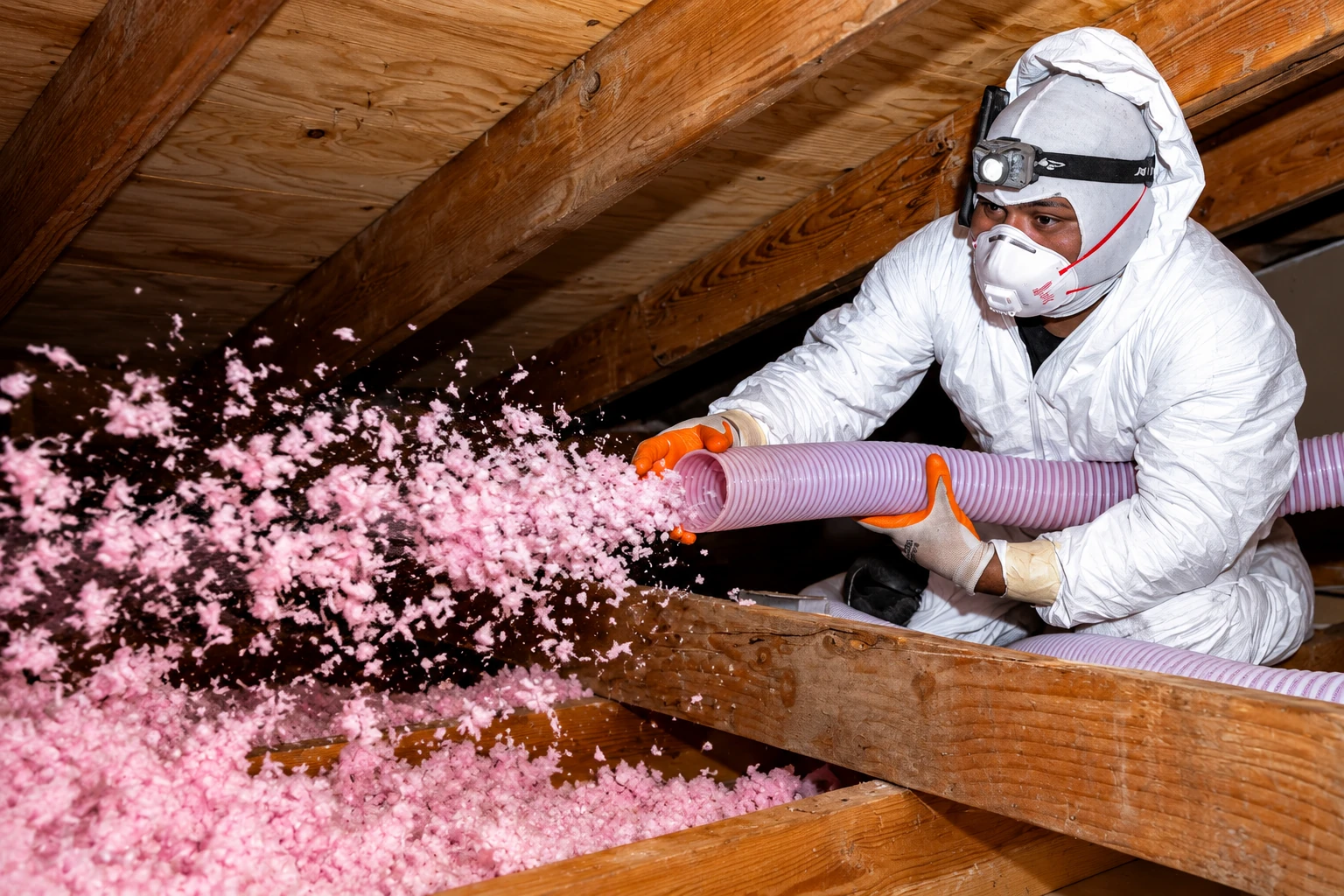
Loose fill blown through a hose into attics and closed wall cavities, usually the most practical way to top up the thin layer we find in older Tyrone houses.
A look at the whole house, attic to basement, so we can tell you which spots are costing you heat and which ones aren't worth touching yet.
Old insulation that's soaked, flattened or full of droppings comes out before anything new goes in, because covering it over just buries the problem under fresh material.
We insulate crawl space walls and the floor above them, which is usually where cold floors in first-floor rooms come from, after checking the space for damp.
Many older walls here have little or nothing inside them, so we fill the closed cavities once we've checked for moisture or anything else that needs fixing first.
Air sealing closes the gaps around pipes, wires, chimneys and windows before insulation goes in, since a draft moving through a gap carries heat right past the insulation.
Basement walls get insulated once we know they stay dry, because insulation on a wall that sweats or seeps just holds the water against the house.
Dense foam that blocks moisture as well as heat, the one we reach for on basement walls, foundation tops and metal buildings that drip with condensation.
Softer, lighter foam that fills odd-shaped attic rooflines and walls and quiets noise, a good fit for dry spaces where moisture isn't the worry.
Shops, garages and metal buildings around the valley, where we usually spray foam on the walls and roof to stop condensation and keep a work space usable in winter.
A heavy plastic sheet laid over a dirt crawl space floor and up the walls, so ground moisture stops rising into the framing and the insulation above it.
We put a vapor barrier on the warm side of walls and floors where moisture would otherwise condense inside them, and leave it out where it would trap water.
Before any insulation goes up, we seal the attic floor around can lights, the hatch, pipes and wire holes, so warm air stops leaking out of the rooms below.
Adding insulation to a house that's already finished, working through the attic, the crawl space or small holes in the walls, so you don't have to tear out plaster.
Send the form and we'll get back to you within one business day to set a time. I come out, look at the job and give you a free estimate, with no obligation to go ahead.
I go up into the attic and down into the crawl space before I quote, because the price depends on what's really there, not on a guess from the driveway.
Once you say go, our crew does the work, and I walk through the finished job with you so you can see what went in and where.
We've been insulating houses since 2020, we're licensed and fully insured, and the work is backed by our satisfaction guarantee.
Here are the questions people in Tyrone ask most before we start on an attic, a crawl space or a basement.
The Borough of Tyrone decides that, so we check with its code enforcement office before we start. Tyrone follows the state building code, and that office handles permits and inspections for building, remodeling and additions, while ordinary interior repairs are exempt. If your job needs a permit, we work with you to have it in place before any work begins.
For most older attics here, sealing the gaps and topping up with blown-in is the better buy. Spray foam costs more but seals air while it insulates, so it wins when your ductwork runs through the attic. I'll look at what's up there and tell you which one makes sense at the estimate.
Usually yes, because a sprayed area has to air out before people and pets come back. That re-entry time, when you can come back inside, comes from the foam maker's instructions for the product we use, and I'll go over it at the estimate so you can plan around it. Blown-in and air sealing jobs usually let you stay home.
We're based in Altoona and work in the cities listed here and others around them. If you don't see yours, call (814) 369-6056 or send the form and ask.
Call (814) 369-6056 any day of the week or send the form, and I'll come look before the next cold snap settles into the valley.