Cold floors in upstairs rooms
When the floors and rooms on your top level stay cold all winter, heat is usually slipping into the attic through thin insulation or open gaps around the ceiling.
Cold floors upstairs and a heating bill that keeps climbing usually start in the attic. We find out why and fix it in order.
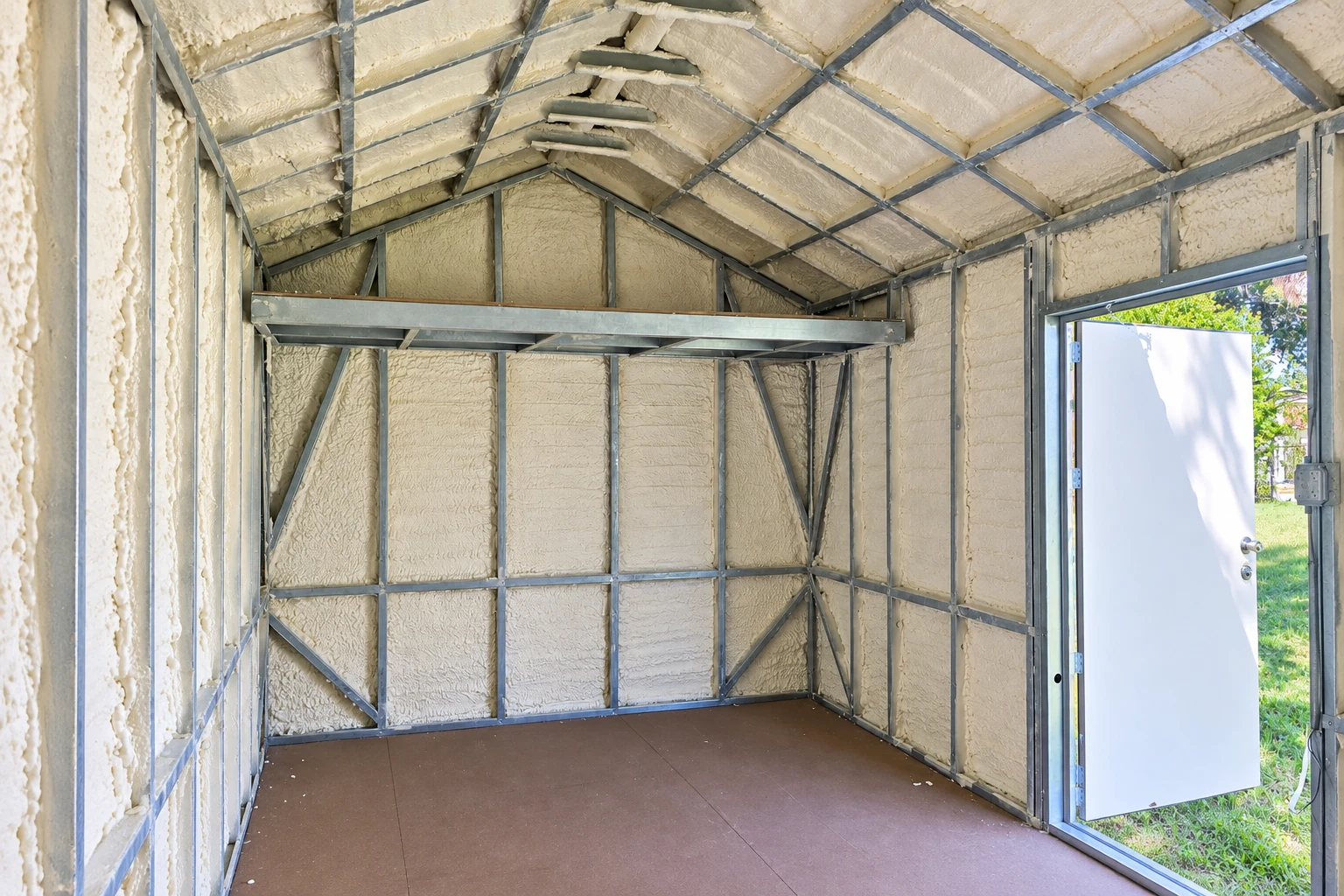
Attic insulation in Altoona means adding to what's already above your ceiling once the gaps are sealed and any leaks are fixed, so your upstairs rooms hold heat in winter and stay cooler in summer.
Most calls we get come from older houses where the upstairs floors run cold, the room over the garage never warms up or the power bill keeps creeping, and the attic is usually where that starts. The price moves with how big the attic is, how much is already up there, how easy it is to get into and whether anything has to be fixed or pulled out first. The schedule mostly turns on that prep, because a roof leak or a fan blowing into the attic has to be handled before we add anything. I come out, climb up and look, and you get your own figure from the free estimate.
I still go into the attic myself before giving you a number, because how much is up there and what shape it's in decides the job more than square footage does.
Leaks, old wiring and vents get dealt with first, then the gaps get sealed, then the insulation goes in, because insulation laid over an open leak or a wet spot won't do what you paid for.
If your attic already has plenty, I'll tell you more may not be worth the money, and I'd rather say that plainly than sell you work you don't need.
First I look at how much insulation is up there, how deep it is at the edges as well as the middle, and whether it's dry and clean. A roof leak, old wiring or a bath or dryer fan blowing into the attic gets dealt with before we add anything, and material that's been soaked or is full of droppings comes out instead of getting buried. Next our crew does the air sealing, closing the gaps around pipes, wires, light fixtures and the attic hatch, so warm air from the house stops pushing up through the new layer. We keep the vents along the eaves clear so the attic still breathes and moisture doesn't settle in the framing, then add insulation evenly, with full depth out to the edges where it's usually thinnest. When the crew is done, I walk through the finished attic with you.
For most attics, sealing the gaps and topping up with blown-in insulation, loose fill blown through a hose, is the better buy. Spray foam costs more and seals air while it insulates, so I only lean toward it in the attic when your ductwork runs up there and that space is worth keeping warm too. If the drafts and cold floors go past the attic, we plan the rest of the house as home insulation, so the walls, crawl space and basement get done in the same careful order.
When the floors and rooms on your top level stay cold all winter, heat is usually slipping into the attic through thin insulation or open gaps around the ceiling.
A bedroom that won't cool down in July is often taking heat straight off the roof, because there's too little between the attic and the ceiling below it.
Rooms above a garage lose heat from more sides than most, and the attic space over them is often where the insulation is thinnest or was never finished.
If heating costs climb while the thermostat stays put, the attic is one of the first places we check, since warm air rises and leaves through the top of the house.
Send the form and we'll get back to you within one business day to set a time. I come out, look in the attic and give you a free estimate, with no obligation to go ahead.
Let us know where the hatch or pull-down stairs are and clear a path to them, so I can get up there and see the whole attic, not just one corner.
A house's age tells me what might be up there, since a house built before 1930 may still have knob and tube wiring that has to be handled before any insulation goes near it.
Stains on the ceiling, a fan that vents into the attic, damp spots or droppings in the insulation all change the plan, so it helps to hear about them ahead of time.
These examples show loose fill, foam and sealed attic floors, so you can point at what you'd like to talk through at the estimate.
Here are straight answers to what people around Altoona ask most before they let anyone up into their attic.
Look across the attic floor, and if the insulation is level with or below the floor joists, the wooden beams running across it, so you can easily see them, you should add more. If it sits well above the joists, you probably have enough, and adding more may not be worth the money. I'll tell you which one you have once I'm up there.
Installed attic insulation across the US usually costs about $1 to $3 per square foot, and that's the going range nationally, not our price. Where your job lands depends on how much is already there, how much prep and sealing it needs and how easy the attic is to reach. We're licensed and fully insured, and the estimate at your house is free.
Leave it alone, because the EPA says to assume vermiculite may contain asbestos and not to disturb it. It looks like small pebbles, usually gray-brown or silver-gold. If you decide to have it removed, the EPA says a trained, accredited asbestos abatement contractor should do it, separate from whoever assessed it. That isn't our work, so we won't stir it up.
In most cases yes, because anyone offering or doing home improvements in Pennsylvania has to register with the state Attorney General's office unless the state's home improvement law exempts them, and unregistered contractors aren't allowed to do the work. It's fair to ask any contractor about it before they start. We're licensed and fully insured and backed by our satisfaction guarantee.
There may be if your income qualifies. The Blair County Community Action Program offers weatherization services for low-income residents, and its Weatherization Office at 814-946-5100 answers eligibility questions. Penelec customers in Blair County may also qualify for insulation help through the Warm Program, which requires income at or below 200% of the federal poverty guidelines, or 150% for Warm Plus.
Usually yes, and it doesn't have to be the same kind, since loose fill can go over fiberglass batts and batts without a paper or foil backing can go over loose fill. The old layer has to be dry and clean first, as covered above. Loose fill takes a blowing machine, which is why most people have a crew do it.
Call (814) 369-6056 until 10 PM on weekdays or from 6 AM on weekends, or send the form, and I'll come look.