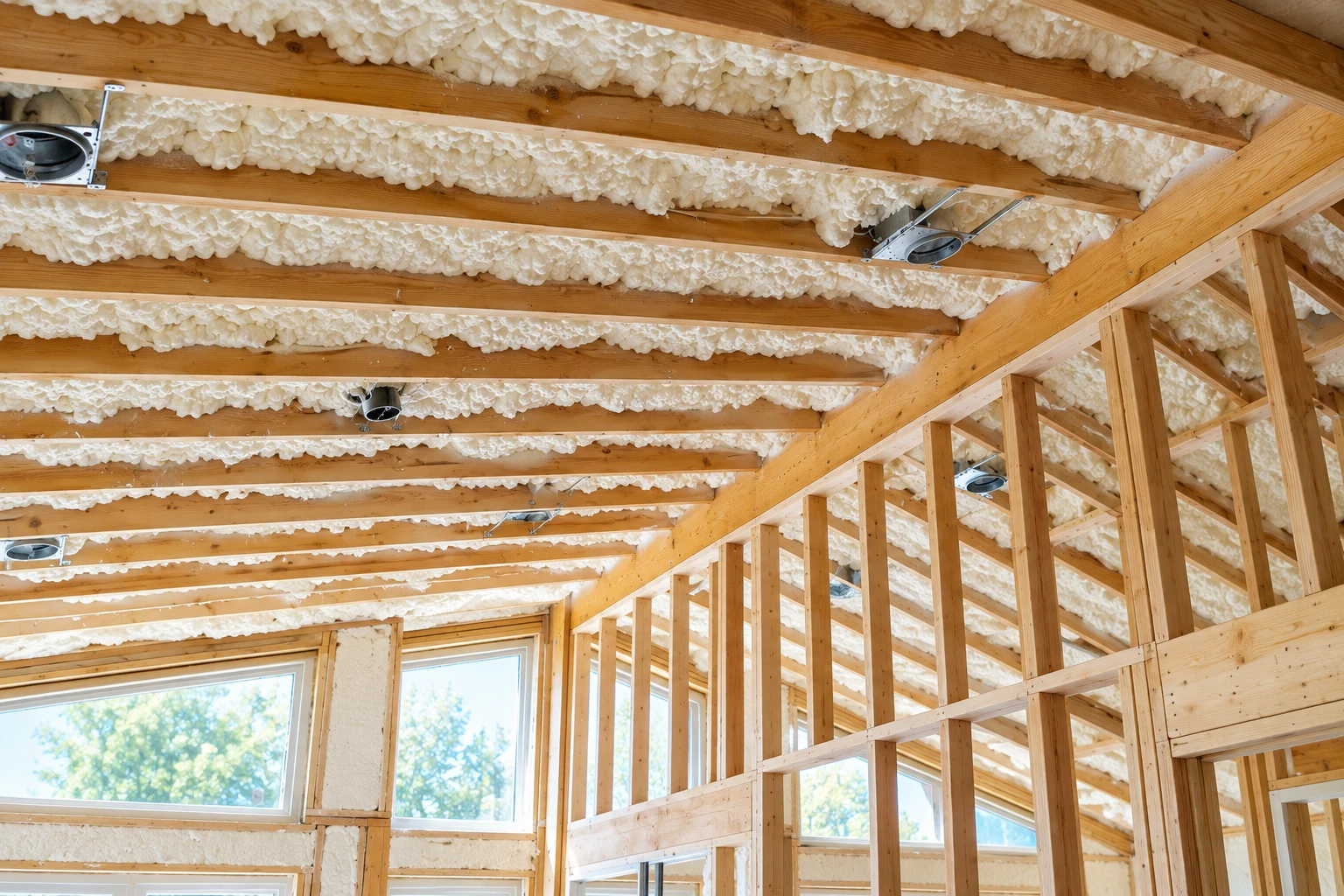
Spray foam insulation
Foam sprayed on rooflines and basement walls seals air while it insulates, which helps in old frame houses. It costs more, so we'll tell you when it's worth it.
Heritage Altoona Spray Foam Insulation is an insulation contractor based in Altoona that works in Hollidaysburg, sealing air leaks and insulating attics, walls, crawl spaces and basements in the borough's older frame and brick houses.
Hollidaysburg's downtown and the neighborhoods around it make up a historic district of mostly frame and brick buildings, some going back to the 1830s, and many of the houses we see here were built long before anyone thought about insulating an attic. Most calls from here start with cold floors, a drafty room or a power bill that keeps climbing, the same calls we get in Altoona and up in Tyrone. In houses this age we usually find thin or settled insulation, open gaps between floors and walls with little in them, so the job starts with finding where the air gets out.
The price moves with what's already up there and what it takes to fix it in the right order. That means how many inches are in the attic now, whether old material is wet or full of droppings and has to come out, how many gaps need sealing, and whether foam or loose fill makes sense. The schedule turns on the same things, plus whether your job needs a permit, which we sort out with the borough before we start. You get your own figure from the estimate after I've been up to look.
We find the leaks and wet spots before any insulation goes in, because insulation laid over an open leak or a damp wall doesn't do what you paid for.
If a job isn't worth the money, or isn't ours to do, I'll tell you so, because I'd rather lose the work than sell you something you don't need.
We keep the vents along the eaves open so the attic can still breathe, and we bring the edges up to full depth, where coverage usually runs thin.
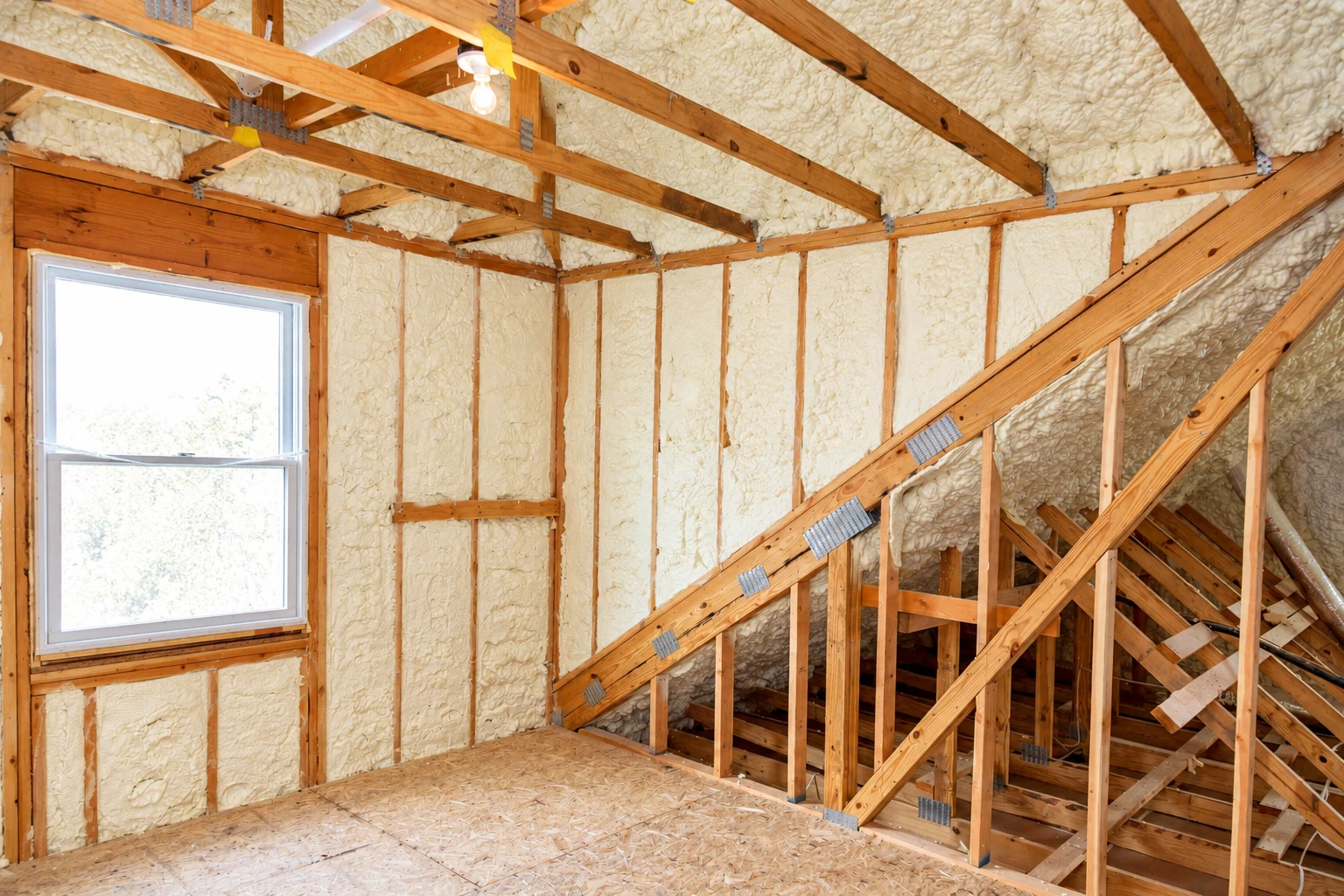
Foam sprayed on rooflines and basement walls seals air while it insulates, which helps in old frame houses. It costs more, so we'll tell you when it's worth it.
We check how many inches are already up there and whether it's dry and clean, then seal the gaps and bring the attic to full depth, edges included.
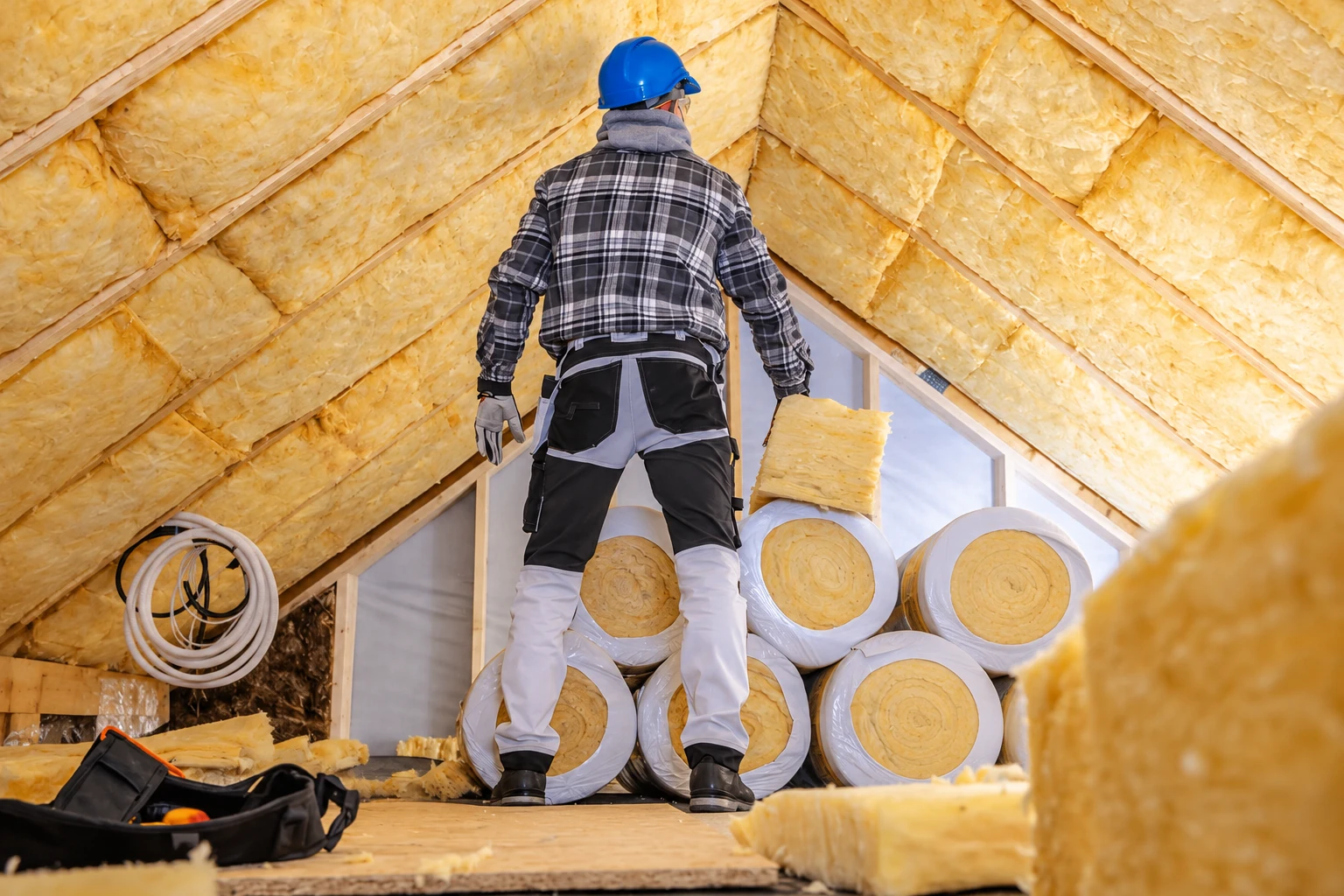
Loose fill blown through a hose tops up an older attic without tearing anything out, and it reaches the tight corners under low rooflines where batts don't fit well.
When rooms upstairs run hot and the floors downstairs run cold, we look at the whole house, attic to crawl space, and start where the most heat gets out.
Old insulation that got wet, settled flat or filled with droppings comes out before anything new goes in, because covering it over leaves the problem right where it was.
Cold floors over a crawl space usually mean open air underneath, so we seal the gaps and insulate in a way that suits the space, checking for damp first.
Older frame and brick walls here often have little or nothing inside, so we check what's in yours before choosing how to fill them without opening every room.
We find and close the gaps around chimneys, plumbing, wiring and between floors through the whole house, because a house that leaks air stays drafty however much insulation it has.
Stone and block basement walls in older houses pull heat out of the floor above, so we insulate them in a way that suits a wall that may get damp.
This dense foam blocks moisture as well as air, so it suits crawl spaces, basement walls and other spots where damp is part of the picture, though it costs more.
Softer foam that fills odd shapes and seals air well, used under rooflines and in walls that stay dry, and usually less costly than closed-cell foam.
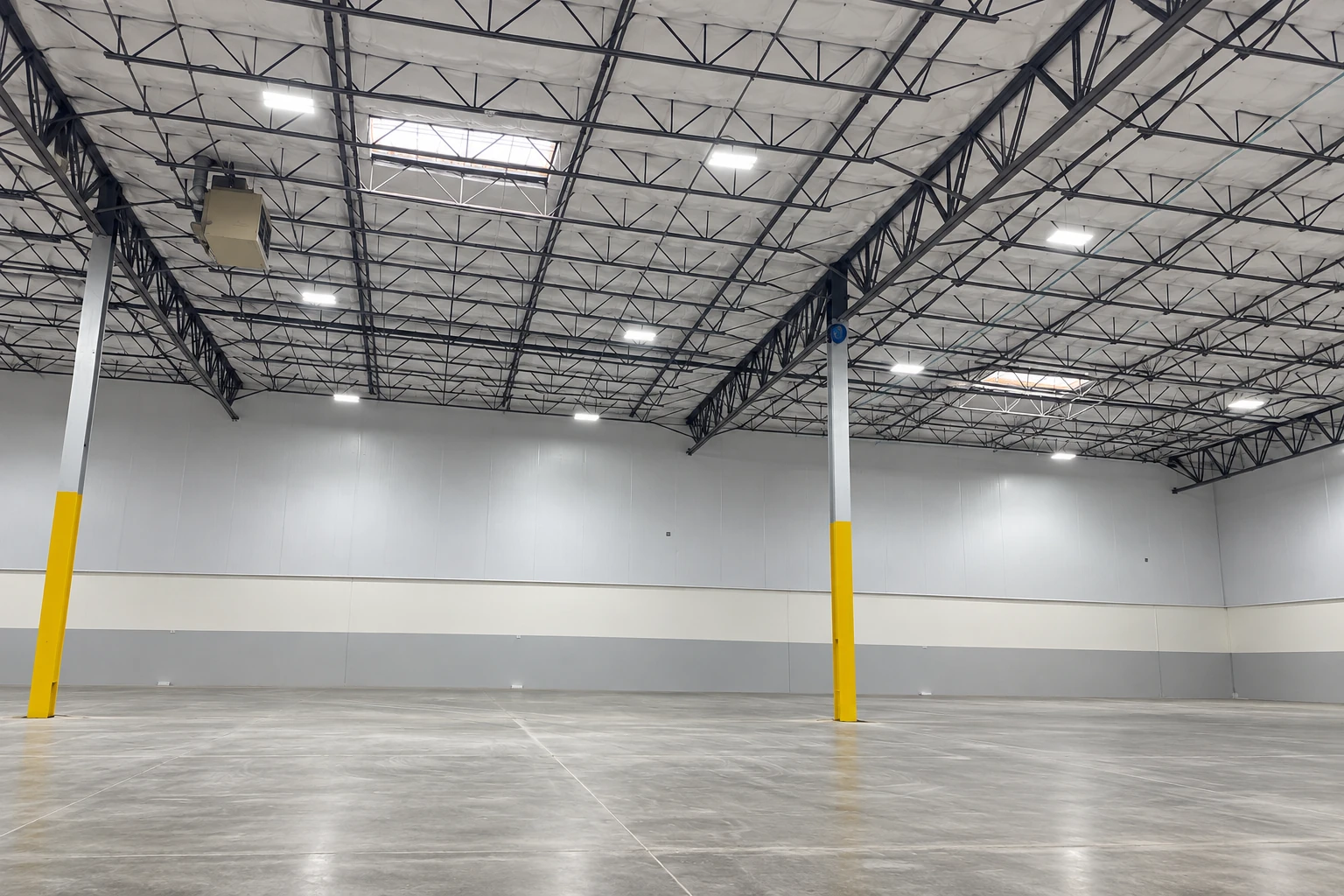
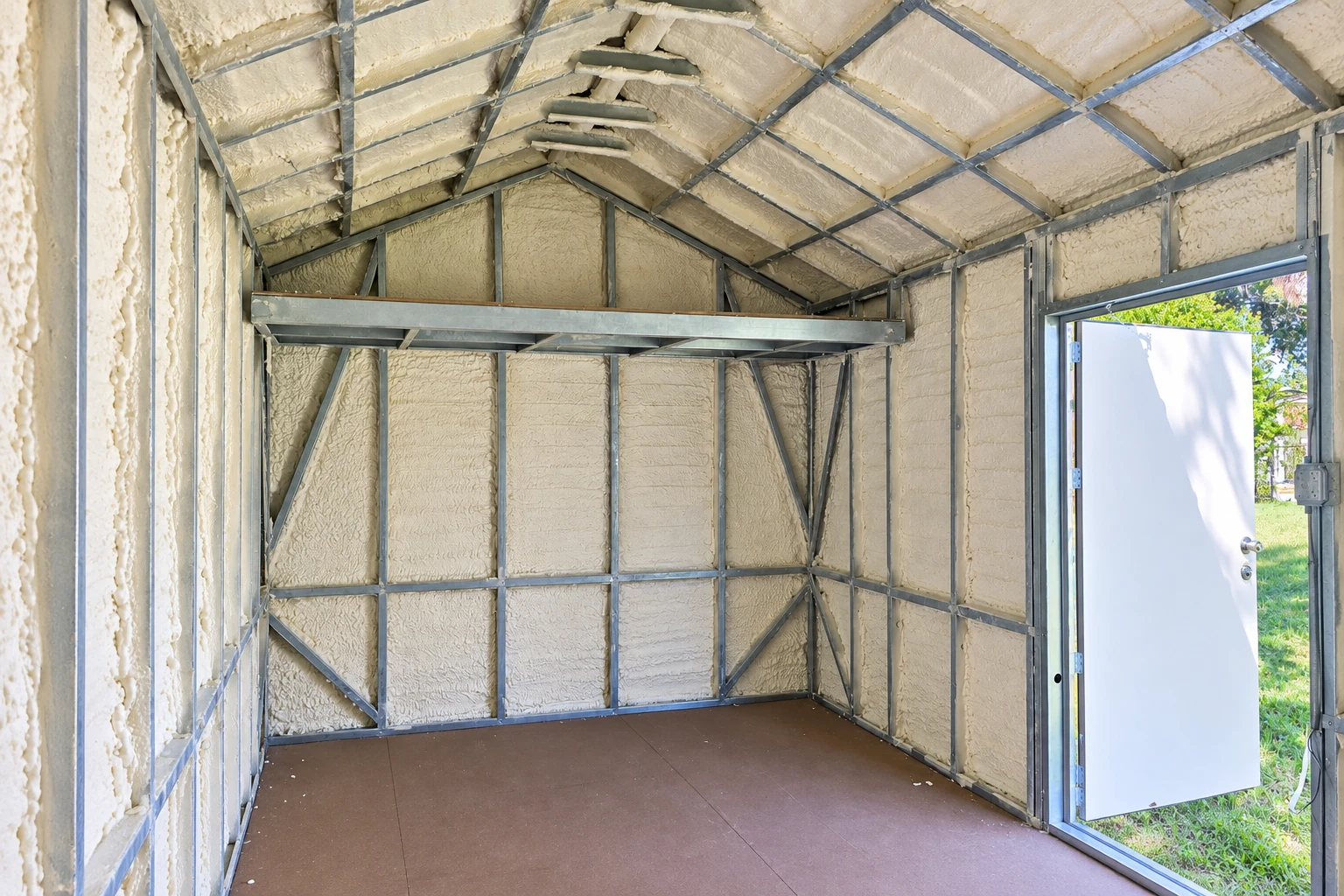
We insulate shops, storefronts and metal buildings, sealing the seams and roof first so the heat you pay for stays inside where you and your customers are.
A plastic sheet laid over a bare dirt floor and sealed at the edges keeps ground moisture out of the crawl space and the framing above it.
We put the barrier on the right side of the insulation for the space, because one on the wrong side can trap moisture in the wall rather than keep it out.
Before topping up an attic, we seal around can lights, pipes, wiring and the hatch, so the new insulation isn't fighting a draft coming up from the rooms below.
Adding insulation to a finished older house means working around plaster, trim and what's already in place, so we pick methods that fill the space without tearing rooms apart.
Send the form and we'll get back to you within one business day to set a time. I come out, look over the house and give you a free estimate, with no obligation to go ahead.
I come out myself to look over the job and give the estimate, so the person pricing your attic is the one who has actually been up in it.
Our crew does the install, and when they're done I walk through the finished work with you so you can see what went in and where.
We're licensed and fully insured, and the work our crew does in your house is backed by our satisfaction guarantee.
Here's what people in Hollidaysburg usually ask us about permits, inspections, foam versus loose fill, and whether they need to leave the house.
Some renovations in Hollidaysburg need a permit and some don't, and the borough's list of permitted work isn't complete and doesn't name insulation, so we check with the borough's Department of Community Development before we start. It issues building permits and approves every required one before work begins. If your job needs one, we work with you to have it in place first.
The same borough office does the building inspections on permitted work and makes sure it meets Pennsylvania's Uniform Construction Code, the state building code. Its inspectors come from Commonwealth Code Inspection Service and Middle Department Inspection Agency. If your job has a permit, we go over what we learn from the borough with you before the crew starts.
For most attics, sealing the gaps and topping up with blown-in loose fill is the better buy, unless your ductwork runs up there. Foam costs more, but it seals air while it insulates, which matters when the ducts sit in the attic. I'll tell you which one fits your house once I've been up to look.
Usually yes, you, your kids and your pets stay out while foam is being sprayed and until the re-entry time passes, which is the wait the foam maker sets before people go back inside. We tell you that time before the day of the job. Blown-in and air sealing work usually doesn't mean leaving the house.
These are the other cities with their own page on our site, and we work in other cities around them too. If you don't see yours, call or send the form and ask.
Call (814) 369-6056 any day, evenings and weekends included, or send the form, and I'll set a time to come look.