Cold floors and drafty rooms
Warm air rising out through the ceiling pulls cold air in down low, around doors and floors, so sealing the top of the house usually calms the drafts at the bottom.
Drafty rooms, a hot upstairs or a climbing power bill? We close the leaks in your attic floor so your house holds its heat.
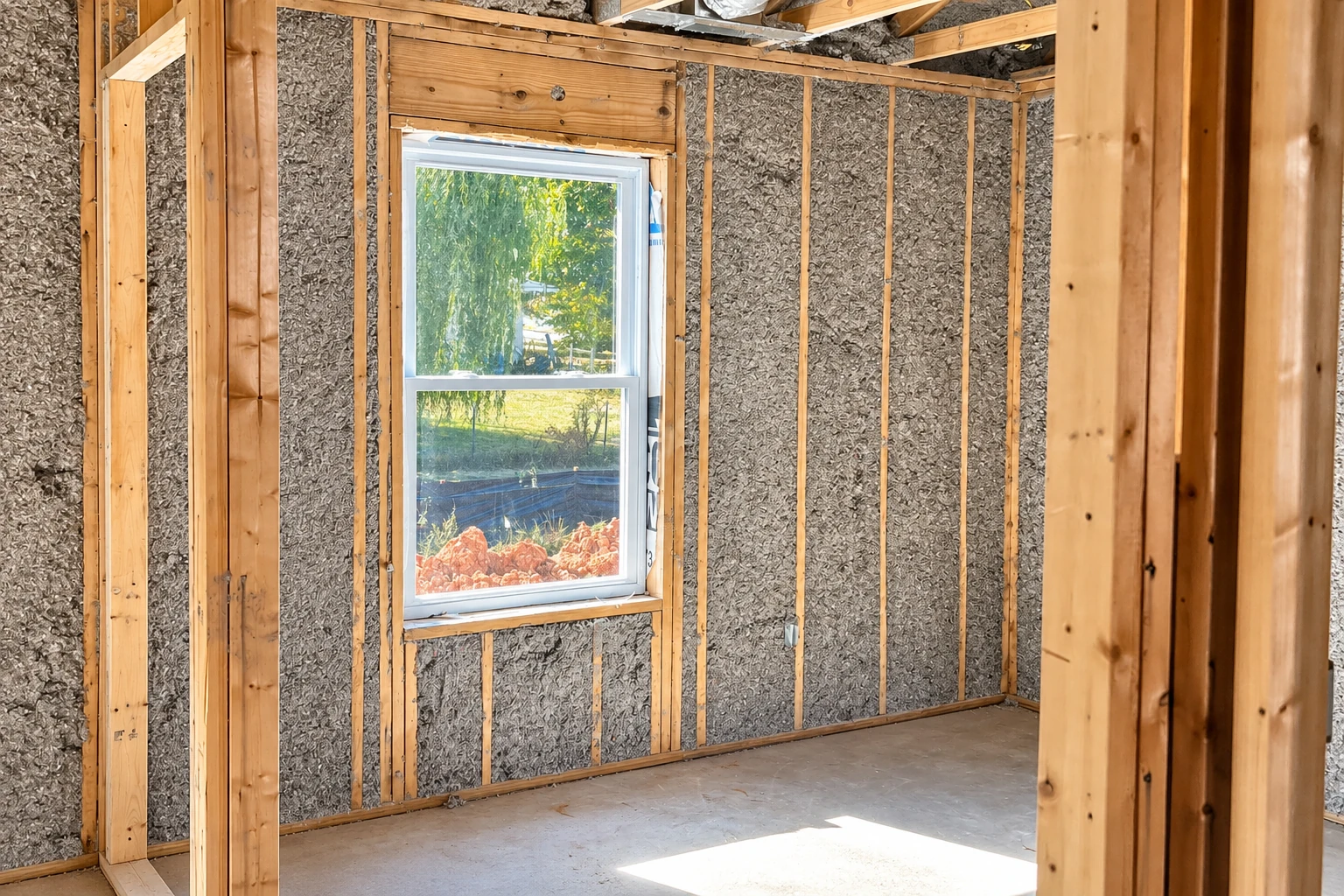
Attic air sealing in Altoona means closing the holes in your attic floor around wiring, pipes, lights, the hatch and the tops of the walls, so heated air stops escaping from the rooms below and your fuel bills come down. Done right, it also helps keep moisture out of the attic.
Most of the houses we see around Altoona are older, and Blair County is a cool, humid climate, so a leaky attic shows up as cold floors, drafty bedrooms and damp spots up top by midwinter. What moves the price is how many holes there are, how much old insulation we have to move to reach them, how easy the attic is to get around in, and whether something like a roof leak or old wiring has to be fixed first. Those same things set the schedule, along with a permit if your job needs one. I come out, climb up and look, so the estimate you get comes from what I actually saw in your attic. We're based in Altoona and do the same work in Hollidaysburg, Tyrone, Park Forest Village and other cities around them.
I climb into your attic and look before I put a number on anything, because old wiring, a bath fan venting into the attic or a soaked patch of insulation changes what needs doing.
We close the gaps before any new insulation goes down, because insulation laid over open leaks just has warm air moving through it, and you don't get what you paid for.
If your attic is already in decent shape, or the fix belongs to a roofer or an electrician, I'll tell you that rather than sell you sealing you don't need.
Before we seal anything, I check for the things that hold the job up, like old knob and tube wiring, vermiculite or a bath fan that vents into the attic, so they get dealt with first. Then our crew moves the old insulation back to reach the tops of the walls and seals the holes around wiring, plumbing vent pipes, recessed lights, duct openings and the hatch with sealant, one-part spray foam or rigid blocking, depending on how big the gap is. Soffit, ridge and gable vents stay open, because the attic needs to breathe and moisture builds up in the framing when they're buried. Around a chimney we build a proper dam instead of packing insulation against it. When the crew is done, I walk through the finished work with you.
Sealing is usually half the job, because once the floor is tight most older attics need more on top, and that's our retrofit insulation work, often blown-in loose fill, which is insulation blown through a hose and spread evenly right out to the edges. Spray foam insulation seals air while it insulates, but it costs more, so I usually recommend sealing and topping up instead unless your ductwork runs through the attic.
Warm air rising out through the ceiling pulls cold air in down low, around doors and floors, so sealing the top of the house usually calms the drafts at the bottom.
The same gaps that leak heat out in winter let attic heat down into the bedrooms in July, so sealing helps the upstairs stay closer to the rest of the house.
Every bit of warm air that slips into the attic has to be heated all over again, so closing those holes means the furnace runs less and your fuel bills come down.
When warm, moist house air reaches cold roof boards it condenses, so frost, damp insulation or dark stains up there often point to leaks in the attic floor below.
Send the form and we'll get back to you within one business day to set a time. I come out, look in your attic and give you a free estimate, with no obligation.
If you know your insulation type, whether a bath fan vents into the attic, or about roof leaks or a gas or kerosene heater, add it to the form so I come prepared.
We're licensed and fully insured, and our own crew does the install, so the people working in your attic are covered the whole time they're up there.
When the crew finishes, I walk through the finished work with you so you can see what was done and ask about anything, and the job is backed by our satisfaction guarantee.
Examples of sealed wiring holes, chimney dams, insulated hatches and finished attic floors, the kinds of details we can talk through at your estimate.
Here's what homeowners usually ask before they book, from permits and safety checks to how you tell the sealing actually worked.
Pennsylvania's construction code requires property owners to get a construction or building permit before starting any work. Rules still differ between cities, boroughs and townships, so I check with your local code office before we start and go over what I learn with you. If your job needs a permit, we work with you to have it in place before any work begins.
Yes, the sealing should come first, because once new insulation is down the holes in the attic floor are buried and hard to reach. Air sealing belongs after safety and attic venting are sorted out and before any insulating, and doing it in that order gets the most energy savings. If you're planning new insulation, book the sealing as the step before it.
A leaking roof, live knob and tube wiring, vermiculite, a bath fan venting into the attic, or an unvented kerosene heater or gas fireplace all get handled before sealing starts. Vermiculite, the light pebbly kind, may contain asbestos and must be tested first, and the guidance is to get professional advice and contact the Pennsylvania Department of Health. Mention any of these when you call.
It is once the appliances are checked. Because sealing makes the house tighter, guidance for this work calls for a backdraft test at the end of each workday, a check that fuel-burning appliances still send their exhaust outside. If a test shows possible backdrafting, that gets fixed before testing goes on, so your plan may include some appliance work.
A blower door test, a big fan set in an outside door that pulls air out of the house, is how you tell. It finds where a house leaks and confirms the leaks were corrected. It adds a home energy rater's fee, and in some rural areas a rater from out of town can add cost and delay the schedule. Ask me about it at the estimate.
Call (814) 369-6056 until 10 PM on weekdays, or send the form, and I'll come look at your attic before the next cold snap.