Droppings, nests or a smell
Insulation that mice have lived in is soiled with urine and droppings, and laying new material over it just buries the problem where nobody can reach it later.
Mouse droppings in the attic, or old pebbly fill you can't name? We look first, bag soiled insulation by hand and tell you what comes next.
Insulation removal in Altoona, PA means taking old insulation out of your attic or walls and handling it safely, with anything soiled by mice going into plastic bags, so whatever goes in next isn't laid over a mess.
Most calls I get come from older houses where someone finally looks into the attic and finds droppings, nests or a layer of loose fill they can't identify. The price moves with how much material is up there, how tight the attic is to work in and how much of it is soiled, and the schedule mostly turns on what the old insulation turns out to be. Pennsylvania's Department of Labor and Industry says asbestos abatement here needs a company with the state's Asbestos Contractor certification and workers who each carry an asbestos certification photo ID, so if yours looks like vermiculite, that job goes to a certified asbestos firm first and ours waits until it's done. The estimate gives you our price for your attic.
I come out myself and look at what's in your attic before giving you a number, because what's under the top layer usually decides what the whole job looks like.
Heritage Altoona Spray Foam Insulation is licensed and fully insured, and our work is backed by our satisfaction guarantee, so you know who answers for what happens in your attic.
Our crew does the work, then I walk through it with you, so you see the cleared attic for yourself before any new insulation goes in over it.
I start by looking at what's up there, because the top layer doesn't always tell you what's underneath. If it looks like vermiculite, we stop and leave it alone, and I point you to a certified asbestos contractor. When the old insulation is full of mouse mess, our crew bags it by hand rather than sweeping or vacuuming it up. With the attic floor cleared, the next step is attic air sealing, closing the gaps around pipes, wires and the hatch, which federal building science guidance puts first when insulating an existing vented attic, and that's the order we follow. Then I walk through the finished work with you.
Old insulation trouble doesn't always stay in one spot. Mice that nest in the attic often find the space under the floor too, and once that's cleaned up, crawl space insulation is what takes the chill off cold floors. If drafty rooms are the complaint, wall insulation may be the bigger fix, though I'll want to know what's already in those walls first, since vermiculite can turn up there as well as in attics.
Insulation that mice have lived in is soiled with urine and droppings, and laying new material over it just buries the problem where nobody can reach it later.
A soiled old layer makes it hard to seal the attic floor and lay new material deep at the edges, where coverage most often comes up thin.
If a remodel will disturb vermiculite in the attic or walls, the EPA says to hire a professional asbestos contractor first, before the carpenters or anyone else start.
The EPA warns that disturbing vermiculite, possibly by someone doing other work up there, can leave fibers in other parts of the house, so ask any crew how they'll keep it undisturbed.
Send the form and we'll get back to you within one business day to set a time. I come out, look at the insulation and give you an estimate, free and with no obligation.
The color and texture of the old insulation, and whether it's in the attic or the walls, tell me a lot before I ever climb up there.
We're based in Altoona and also work in Hollidaysburg, Tyrone, Park Forest Village and other cities around them, where plenty of the houses are older and their attics show it.
Call (814) 369-6056 weekdays from 8 AM to 10 PM or weekends from 6 AM to 9 PM if you'd like to describe the problem before booking a visit.
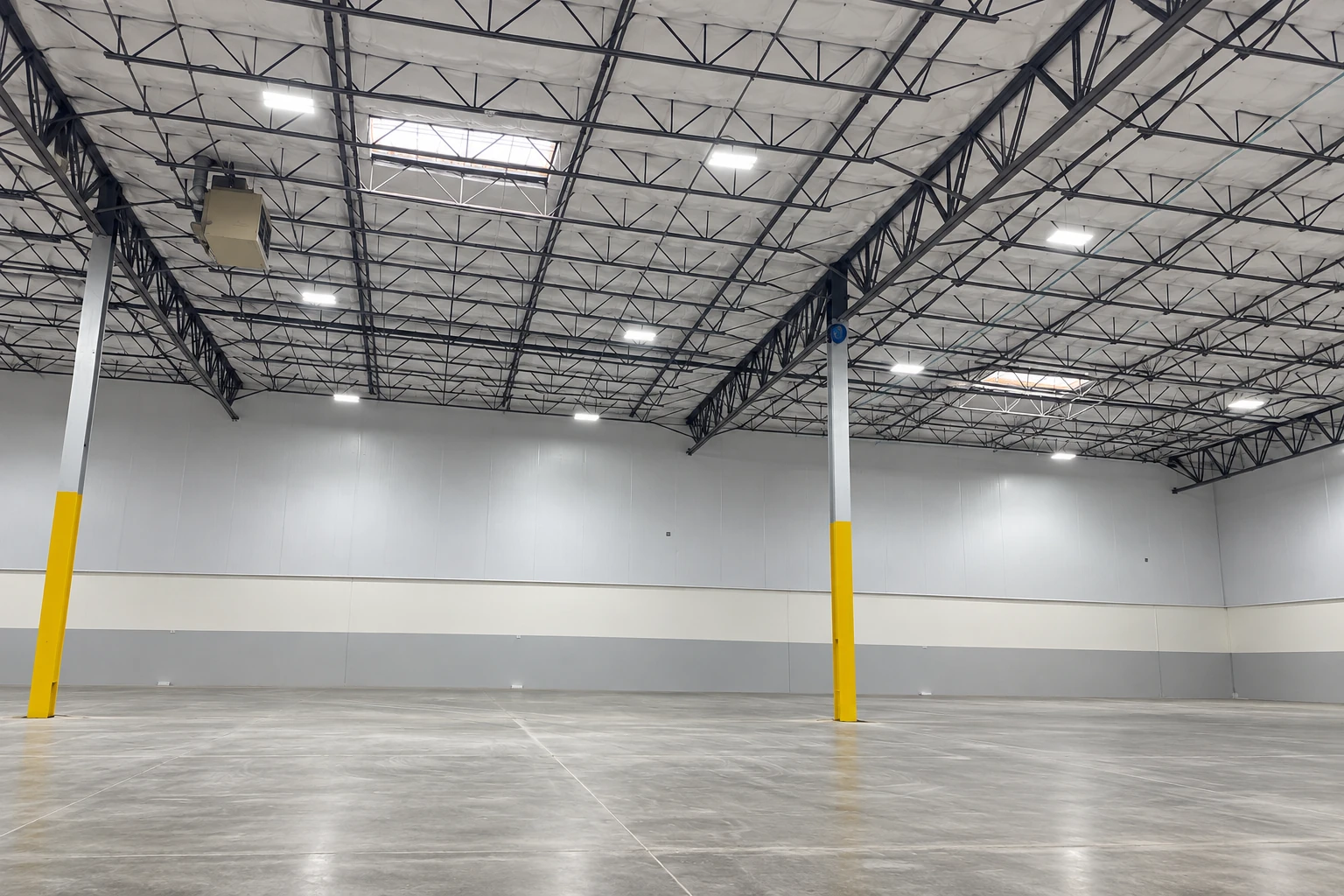
These photos show examples of attic floors, insulation types and finished layouts we can talk through when I come out to look at yours.
Straight answers to what Altoona homeowners ask most about mouse-soiled insulation, vermiculite and the Pennsylvania rules that come with it.
Vermiculite is a loose, pour-in insulation that looks like small pebbles, usually gray-brown or silver-gold, which is how the EPA describes it. The EPA also notes that vermiculite from the Libby mine was contaminated with asbestos. If what's between your joists looks like that, leave it alone and tell us its color and texture when you call.
Usually not. The EPA says further testing isn't necessary, so you can plan for asbestos precautions as soon as you find it. It also points out that having a trained professional test an attic can be expensive and, depending on the methods used, may give wrong results.
No, the EPA advises leaving vermiculite removal to a professional asbestos contractor instead of doing it yourself. It recommends a trained and accredited abatement contractor that's separate and independent from whoever assessed the insulation, so the firm checking your attic isn't the one selling you the removal.
No. The CDC advises against vacuuming or sweeping rodent urine, droppings or nesting material, because it can put tiny droplets carrying viruses into the air. Soiled insulation goes into plastic bags instead, so ask any crew how they'll bag it before they start. Ours does it by hand.
For larger jobs, yes. Removing more than 3 square or 3 linear feet of friable asbestos, the crumbly kind, from inside a building needs a notice to the state Department of Environmental Protection at least five days ahead. That department doesn't regulate asbestos removal in private homes, except apartments with five or more units, and sends you to your township or borough for local rules.
Whether it turns out to be our job or an asbestos contractor's, a call to (814) 369-6056 tells you which before anything gets stirred up.